International Excellence Awards / 2026
Architecture
AWARDED NOMINATIONUrban and Residential Design
Wall Layer and Canopy Roof
Discover the projectBehind the distinction.
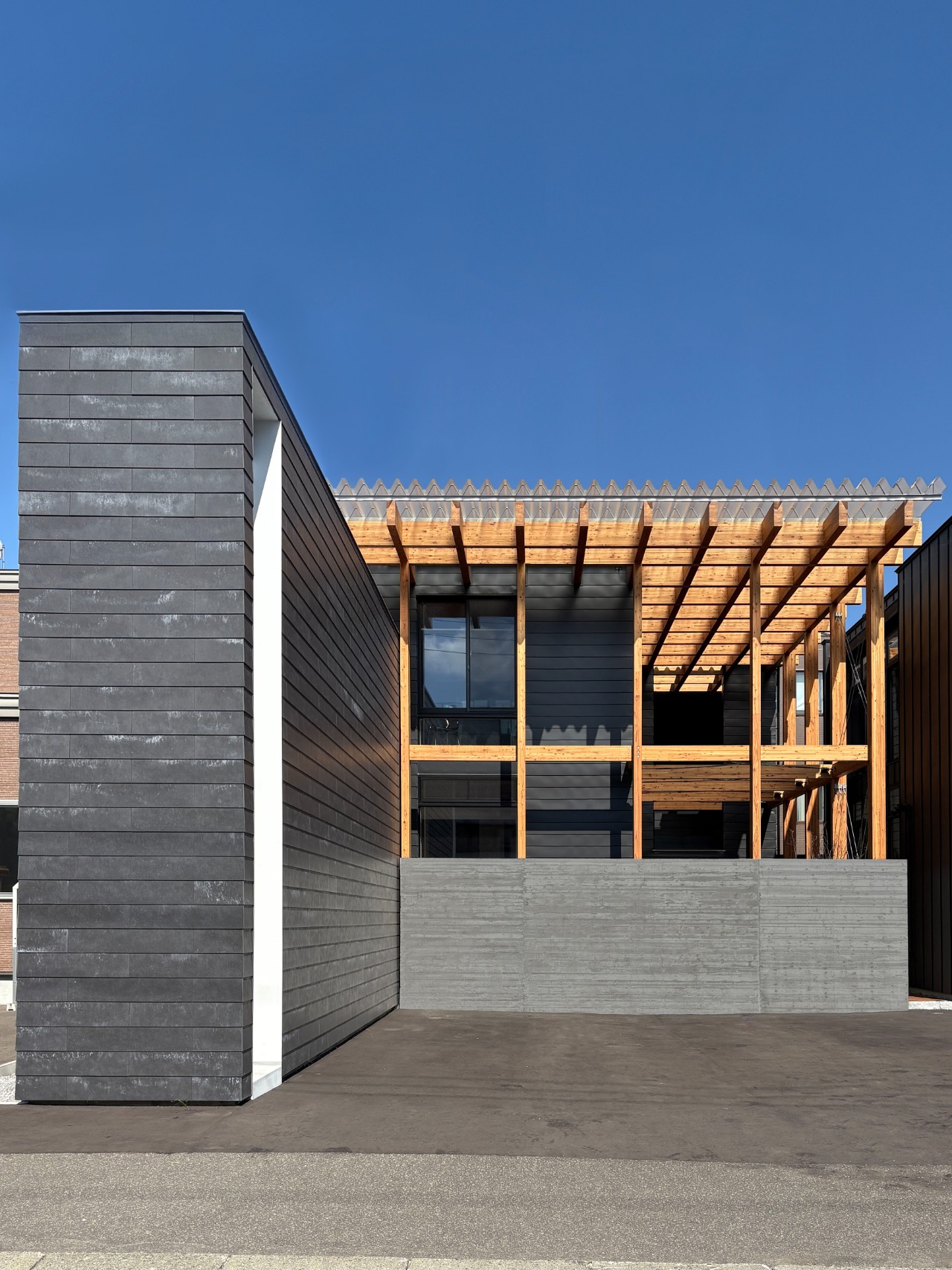
Wall Layer and Canopy Roof is located near the center of Sapporo, within a dense urban environment of apartments, offices, shops, and houses of different ages and scales. In this visually crowded setting, the project set out to create an architectural “singularity” — a house that does not immediately appear as an ordinary residence, but instead introduces stillness, depth, and a sense of retreat within the city.
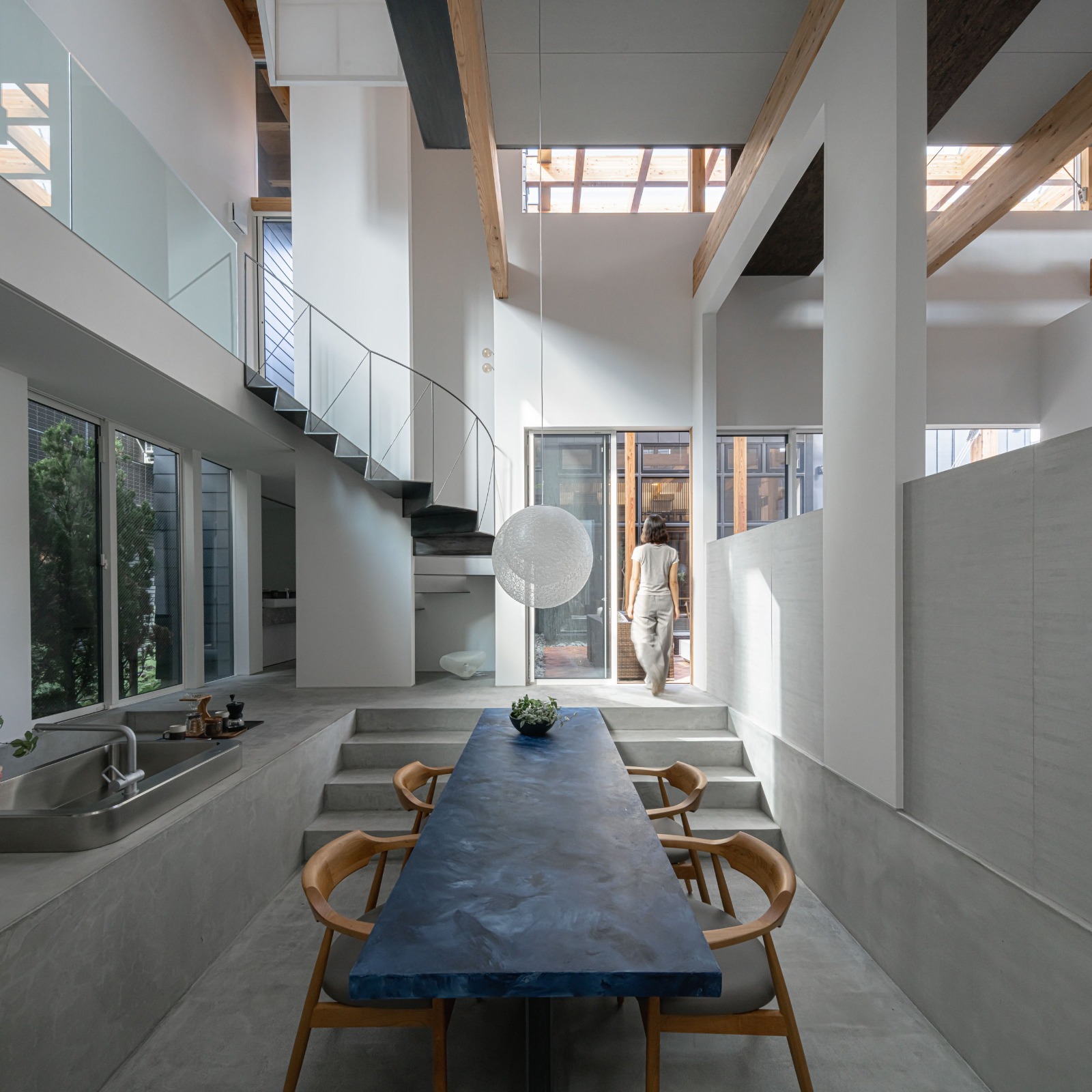
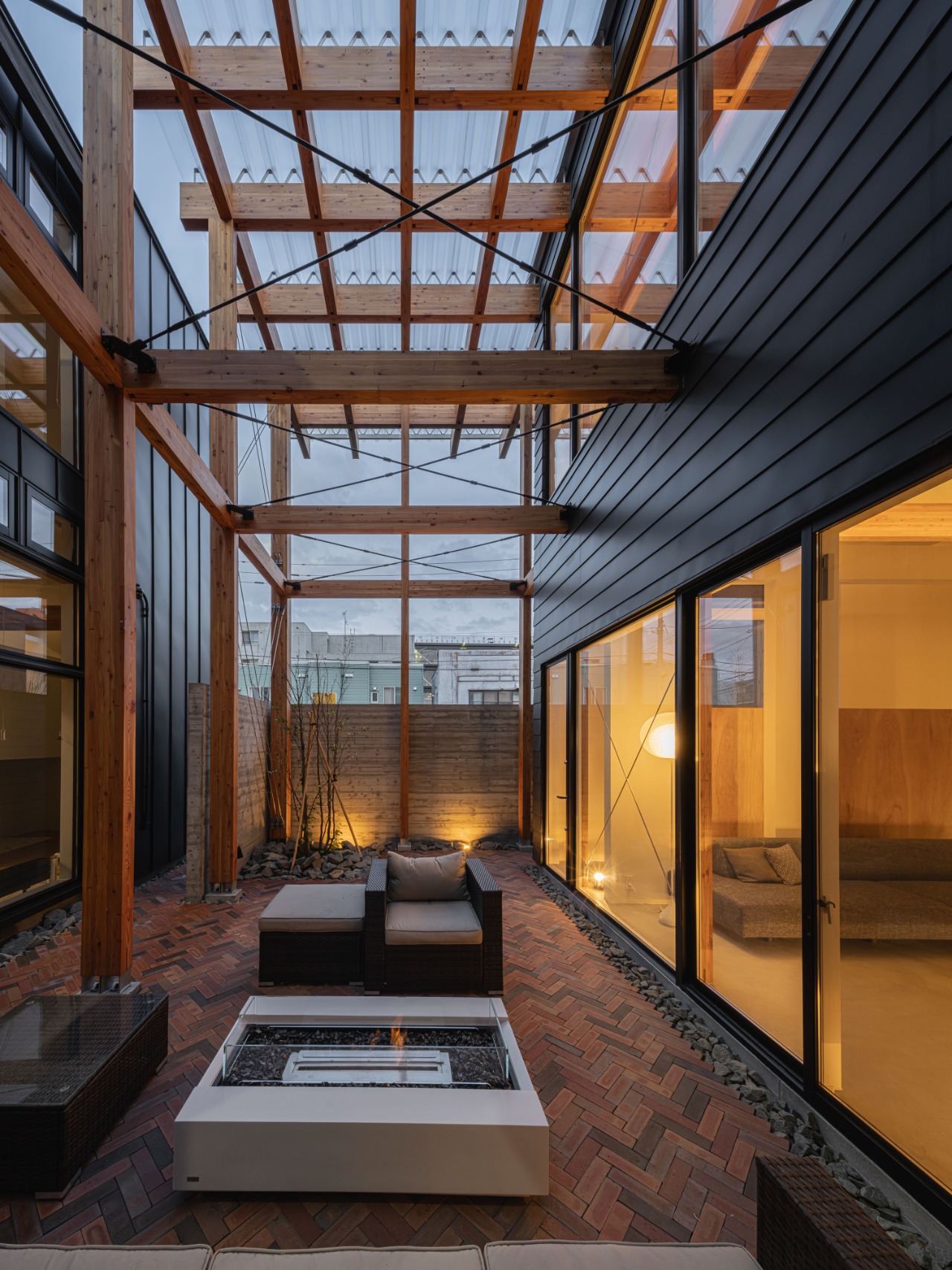
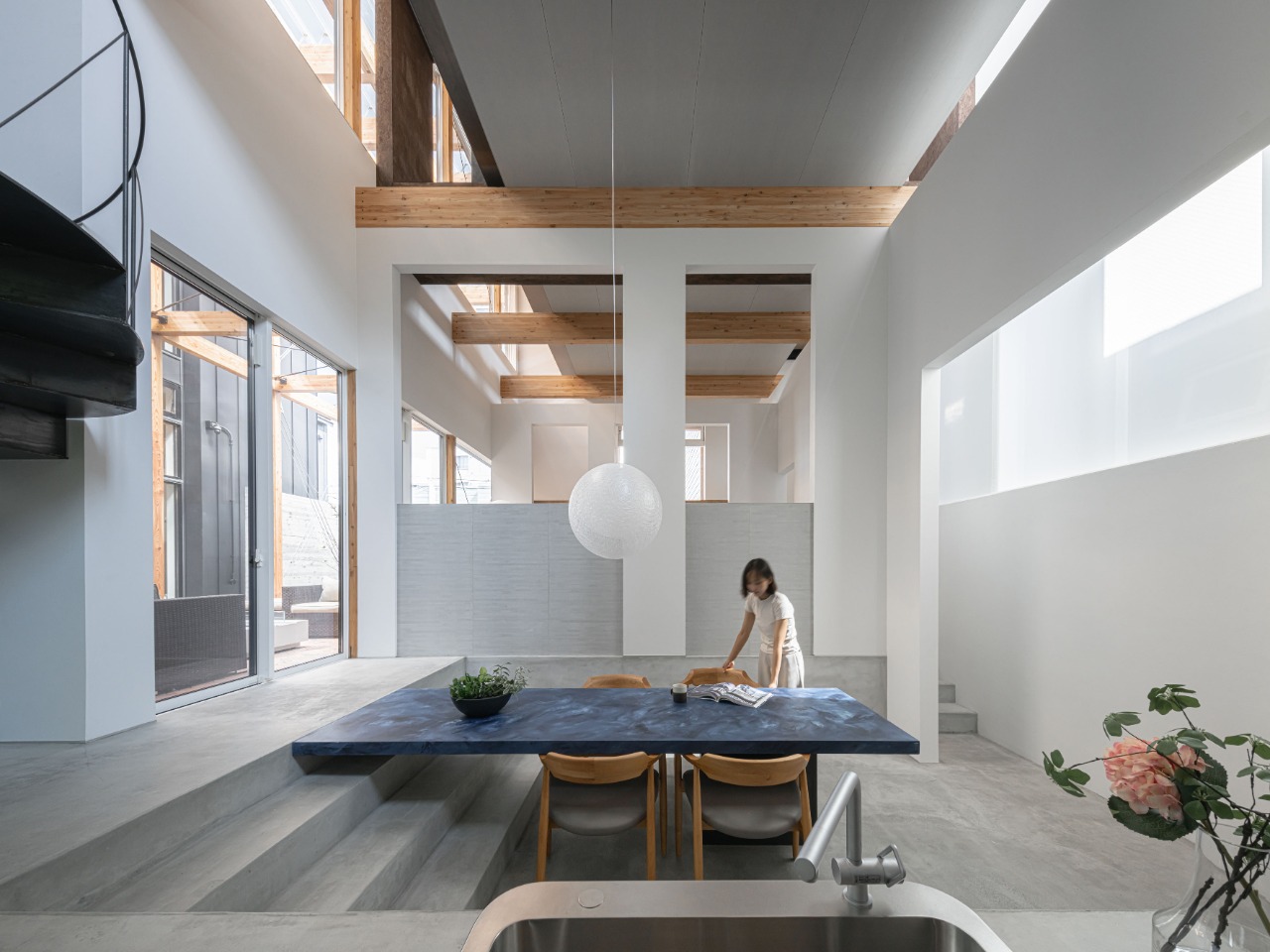
The project responds to two key challenges. The first was how to create a high-quality dwelling on a compact urban site while giving it a sense of spaciousness beyond its actual size. The second was how to make outdoor living meaningful in the snowy climate of northern Japan. In response, the house is organized around a large terrace covered by a wooden lattice roof resembling a tree canopy. Beneath this roof, wall elements are arranged like tree trunks, creating a layered composition rather than a single open room. Spaces appear, disappear, and overlap, evoking the experience of moving through a forest.
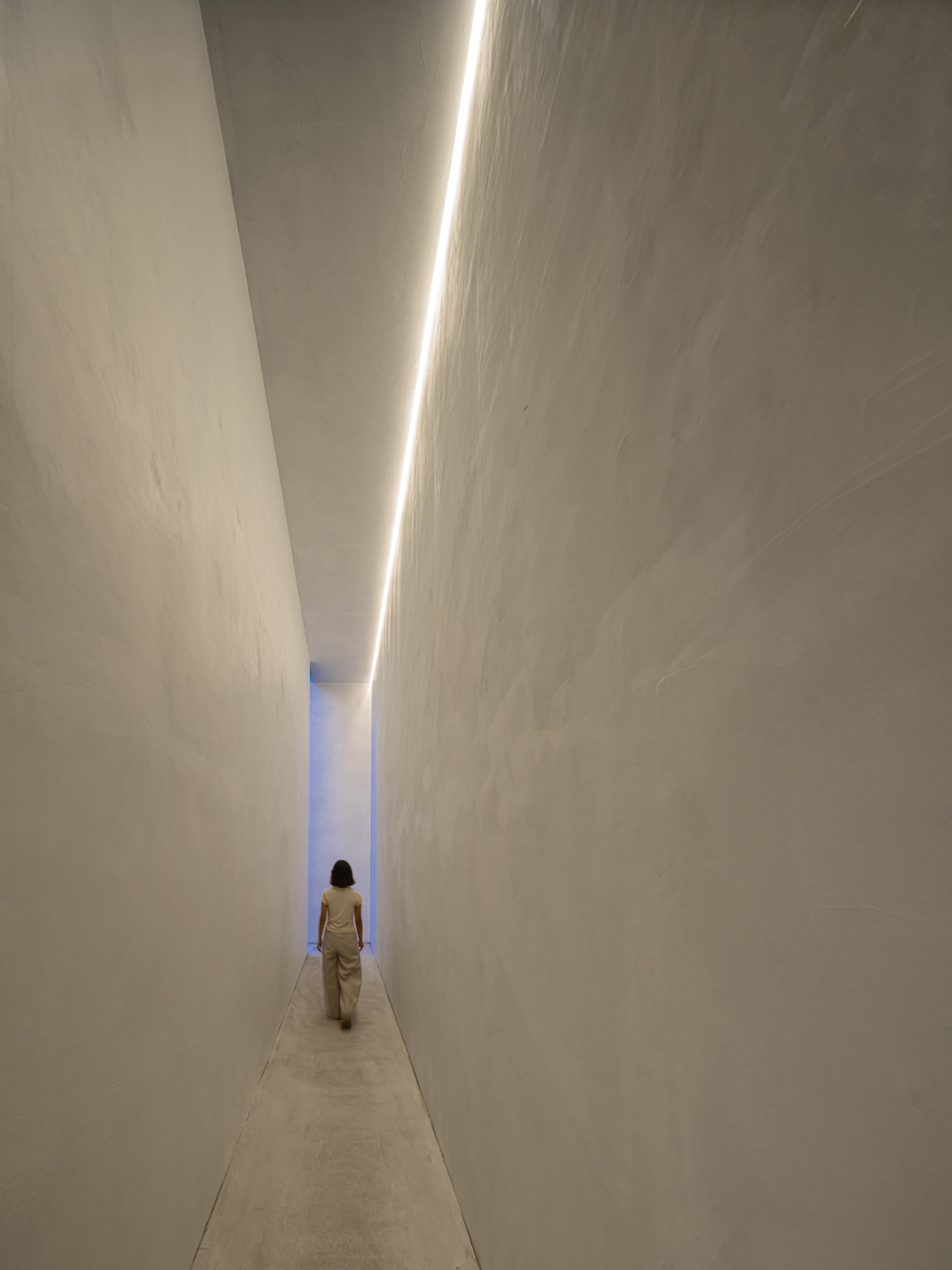
A defining feature of the design is its approach. To enter the main living area, one passes through a long white tunnel. This sequence works as a transition that separates daily urban noise from the private world of the house. The compressed tunnel heightens awareness before opening dramatically beneath the expansive canopy roof, creating a memorable contrast between enclosure and release.
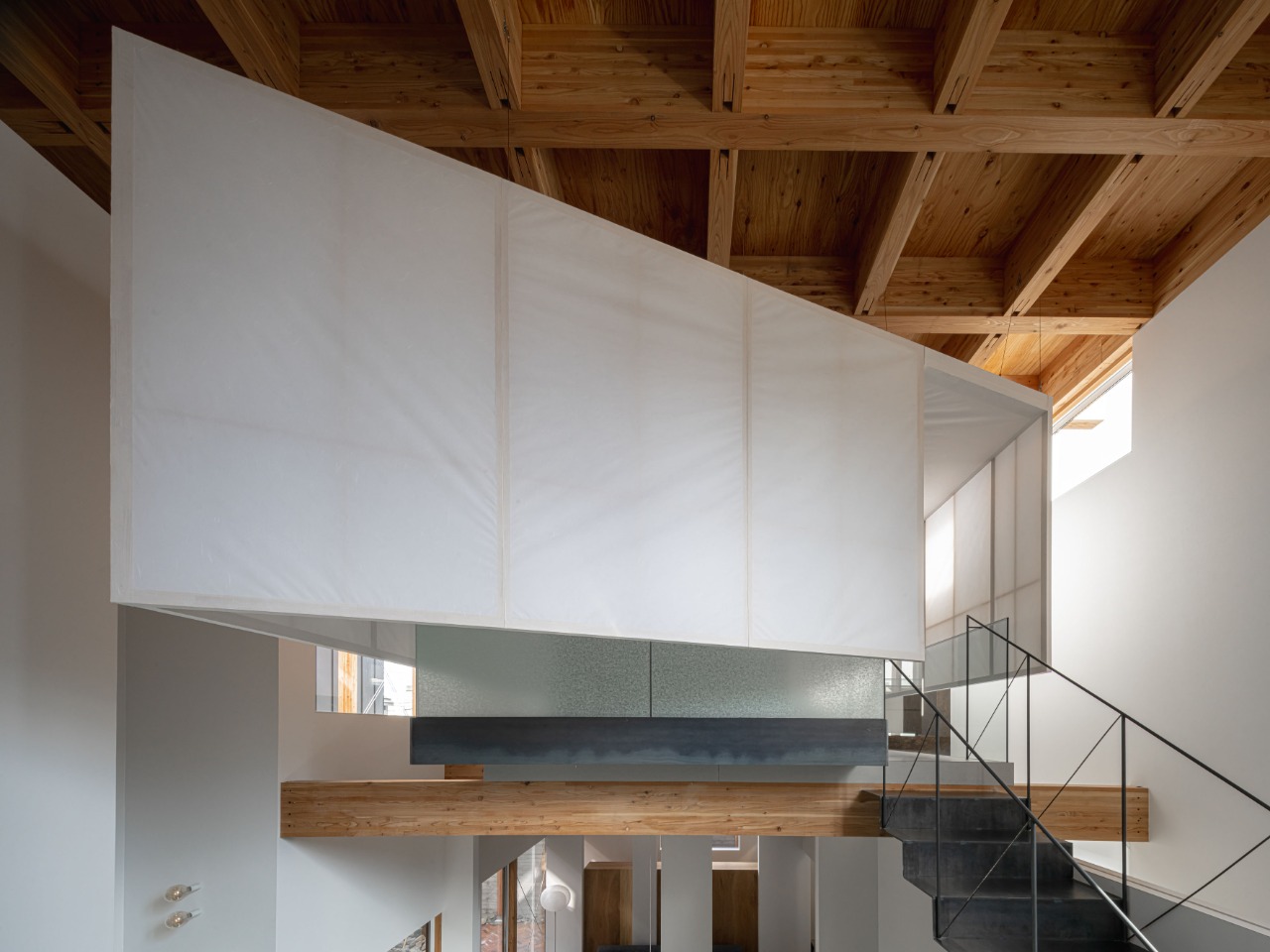
The exposed timber structure gives the building a strong yet quiet presence. It avoids the familiar image of the urban house and instead proposes a new figure that feels both primitive and refined. The timber frame recalls the atmosphere of forests as well as the structural depth of traditional Japanese temples and shrines.
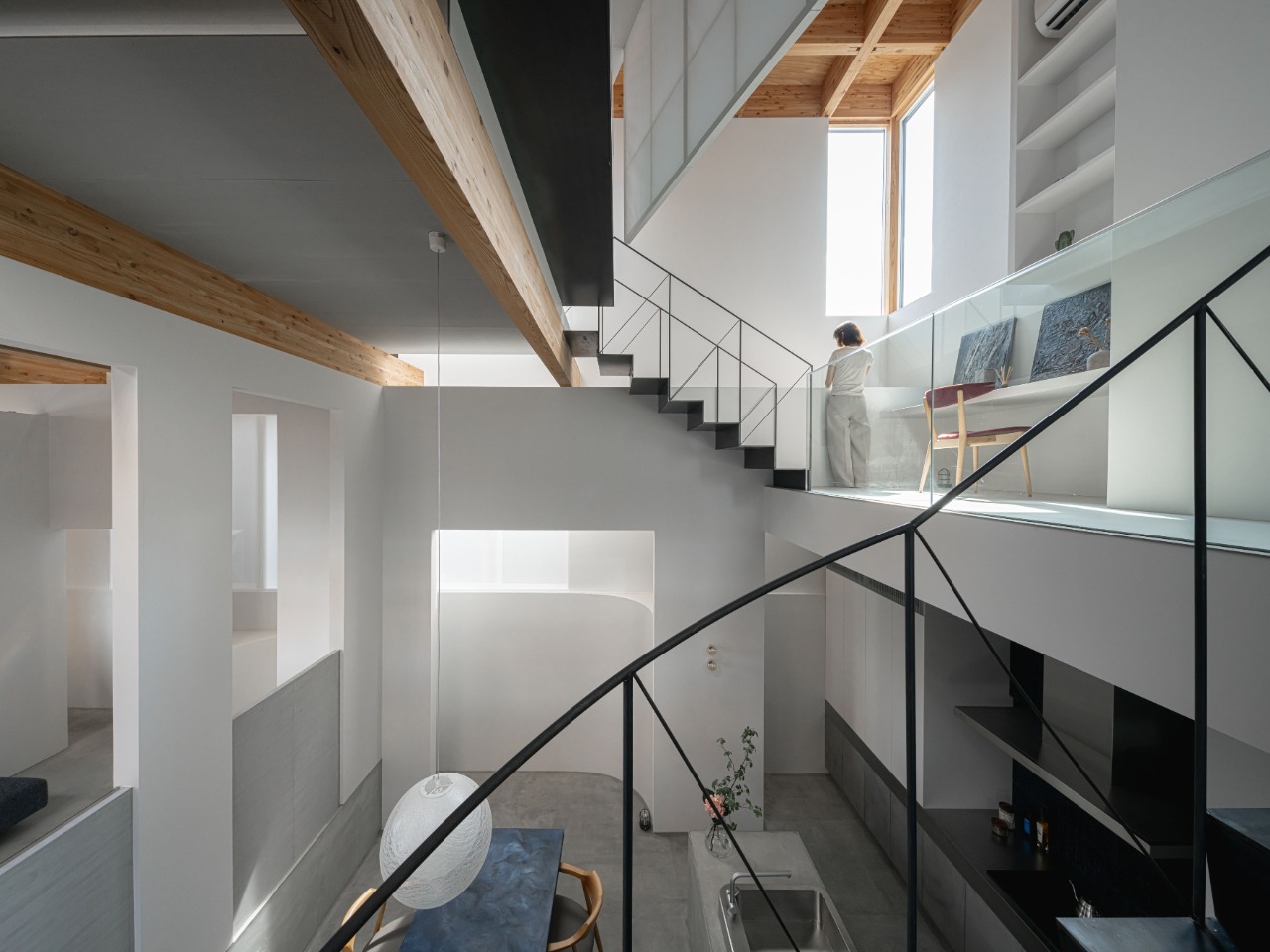
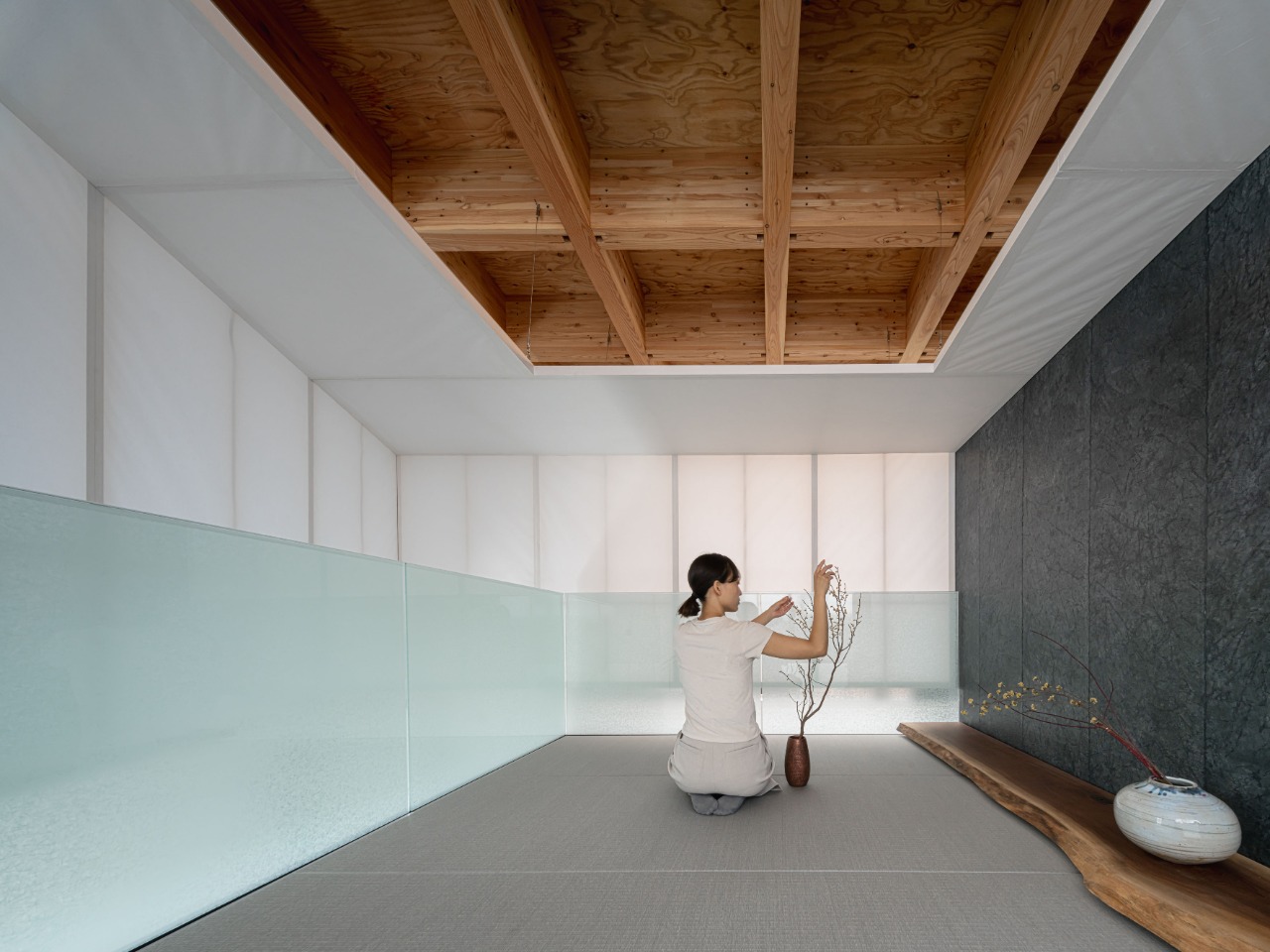
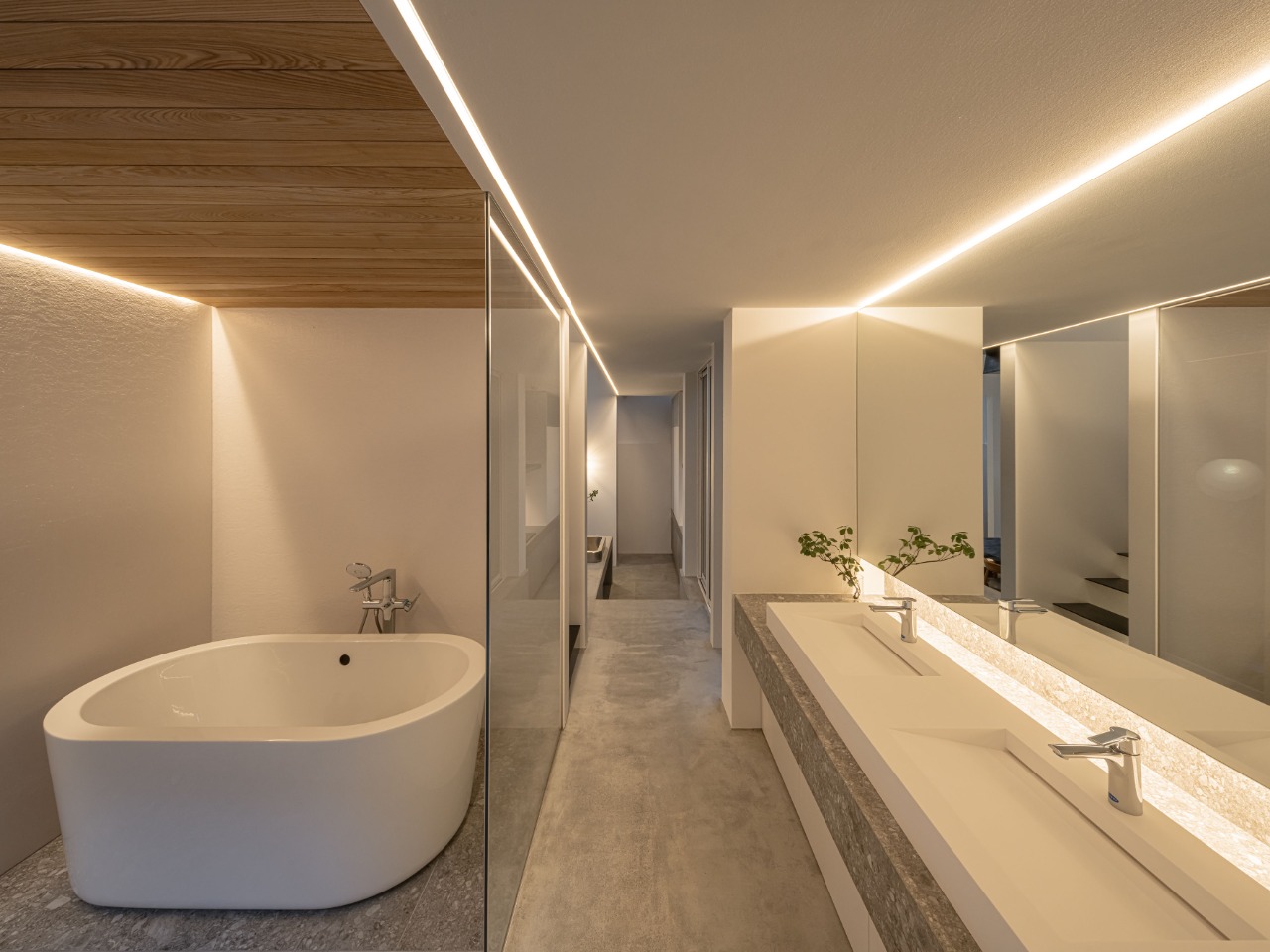
Inside, the palette is simple and tactile: concrete flooring, white walls, larch, iron, brick, tile, and washi paper. These materials interact with changing light to produce a rich range of expressions throughout the day and across the seasons. Every interior zone relates to the terrace, reinforcing a close connection between inside and outside. The canopy roof allows the terrace to remain usable even during snowfall, while polycarbonate roofing softly brings in northern light.
What distinguishes this project is its ability to secure a long transitional approach, a large roof, and an expansive terrace within a compact urban site. It demonstrates that even in a dense city, architecture can create silence, spatial generosity, and a strong connection to nature. Using local materials from Hokkaido, recyclable components, and energy-efficient systems, the project proposes a climatically responsive and emotionally resonant model of urban living in the snowy north.
 THE PEOPLE BEHIND THE PROJECT
GLA
GLA is an architecture studio based in Sapporo, Hokkaido, Japan, led by architect Genta Takano. The practice is known for a refined, site-specific approach to houses, villas, renovations, and small commercial spaces shaped by climate, landscape, and daily life. Working from northern Japan, GLA develops architecture that responds sensitively to snow, light, material, and the relationship between interior and exterior space. By integrating structure, materials, atmosphere, and use into a coherent whole, the studio creates quiet yet distinctive works that reveal the latent potential of each site. Its projects have gained growing recognition through international awards and media features, reflecting an architectural language that is both regionally grounded and globally resonant.