International Excellence Awards / 2026
Architecture
AWARDED NOMINATIONAdaptive Reuse and Restoration Projects
The Living Infrastructure: Reimagining Housing as a Cooperative Organism
Discover the projectBehind the distinction.
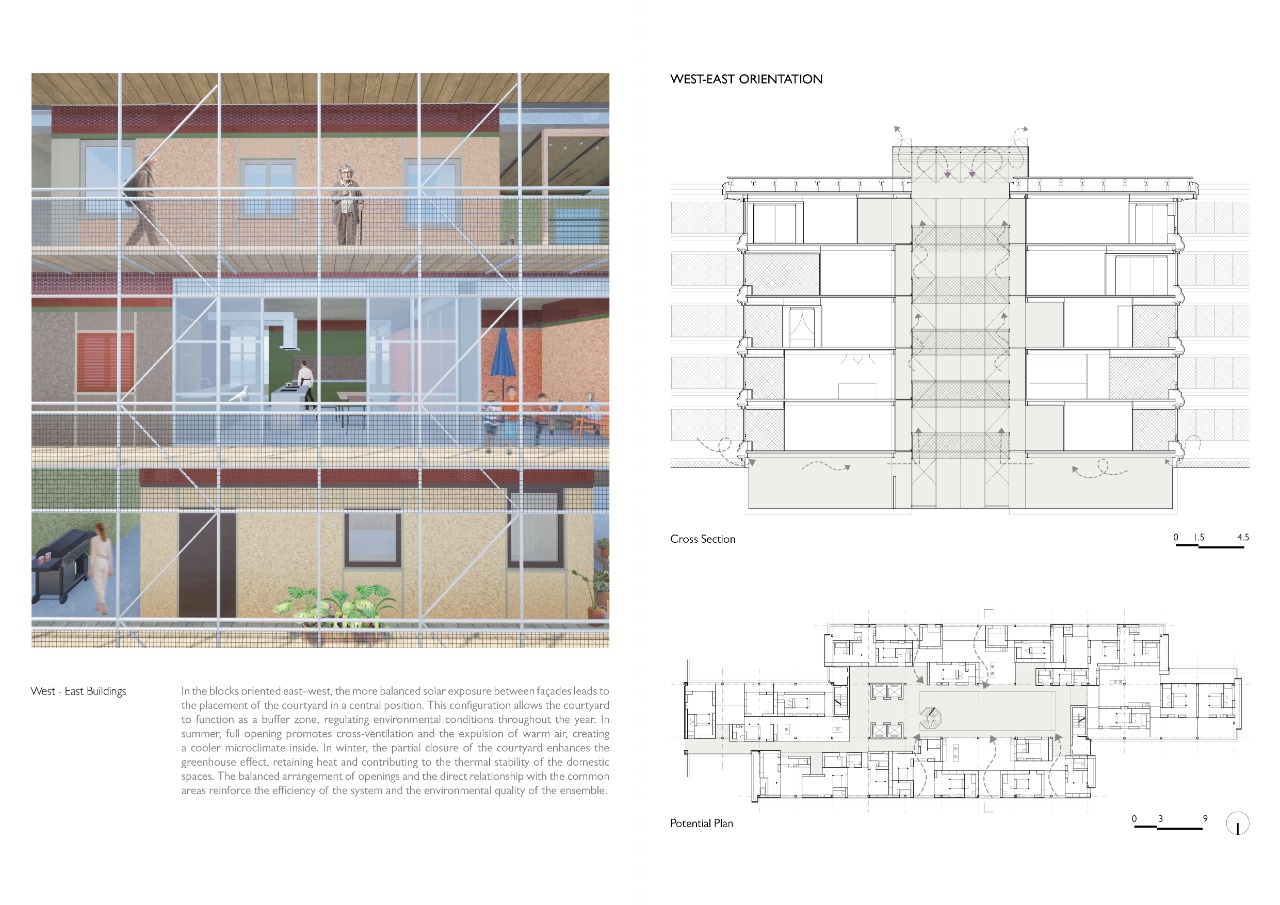
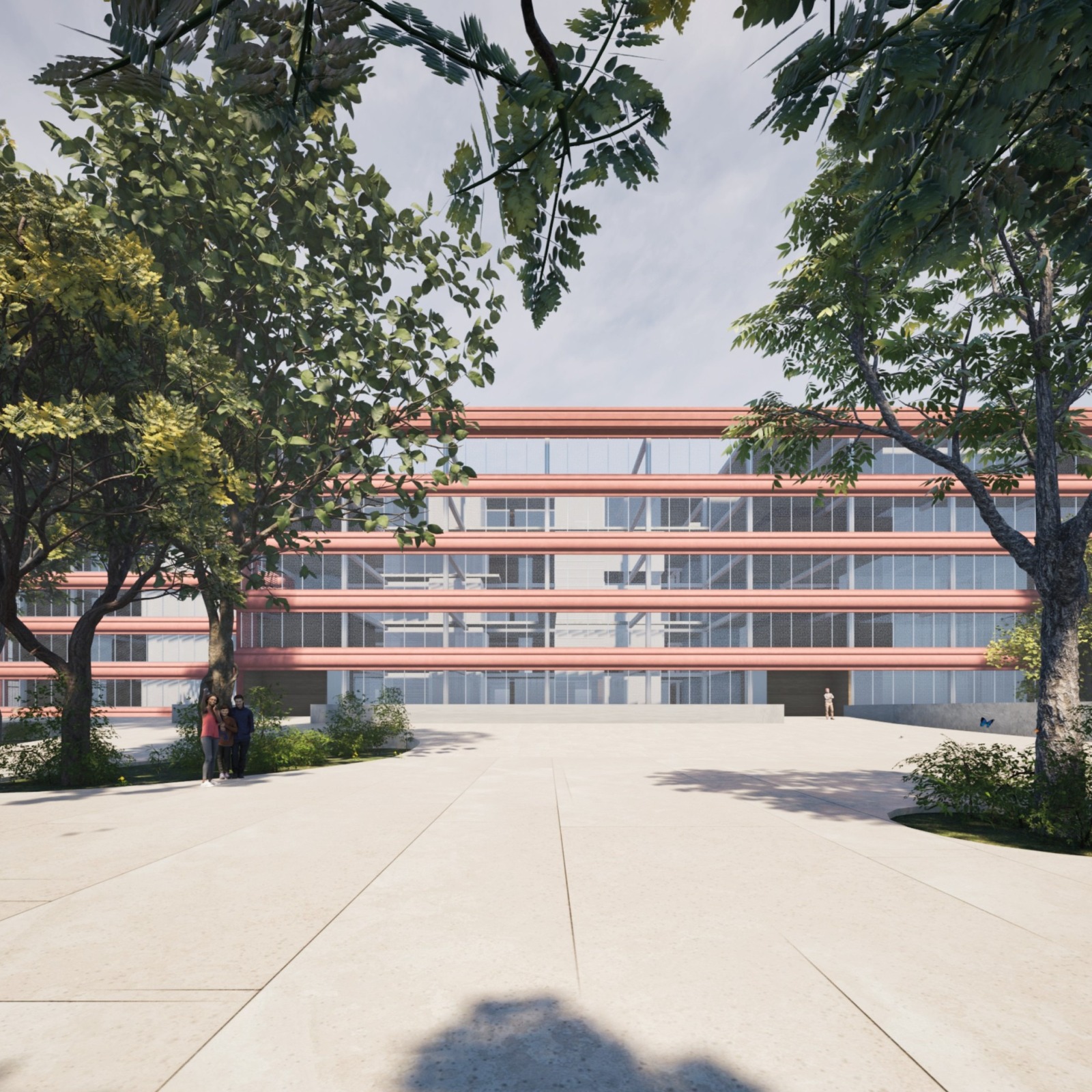
This project reimagines the transformation of Terzo Palazzo into a cooperative housing system where architecture operates as a living organism shaped by the human body and its essential actions.
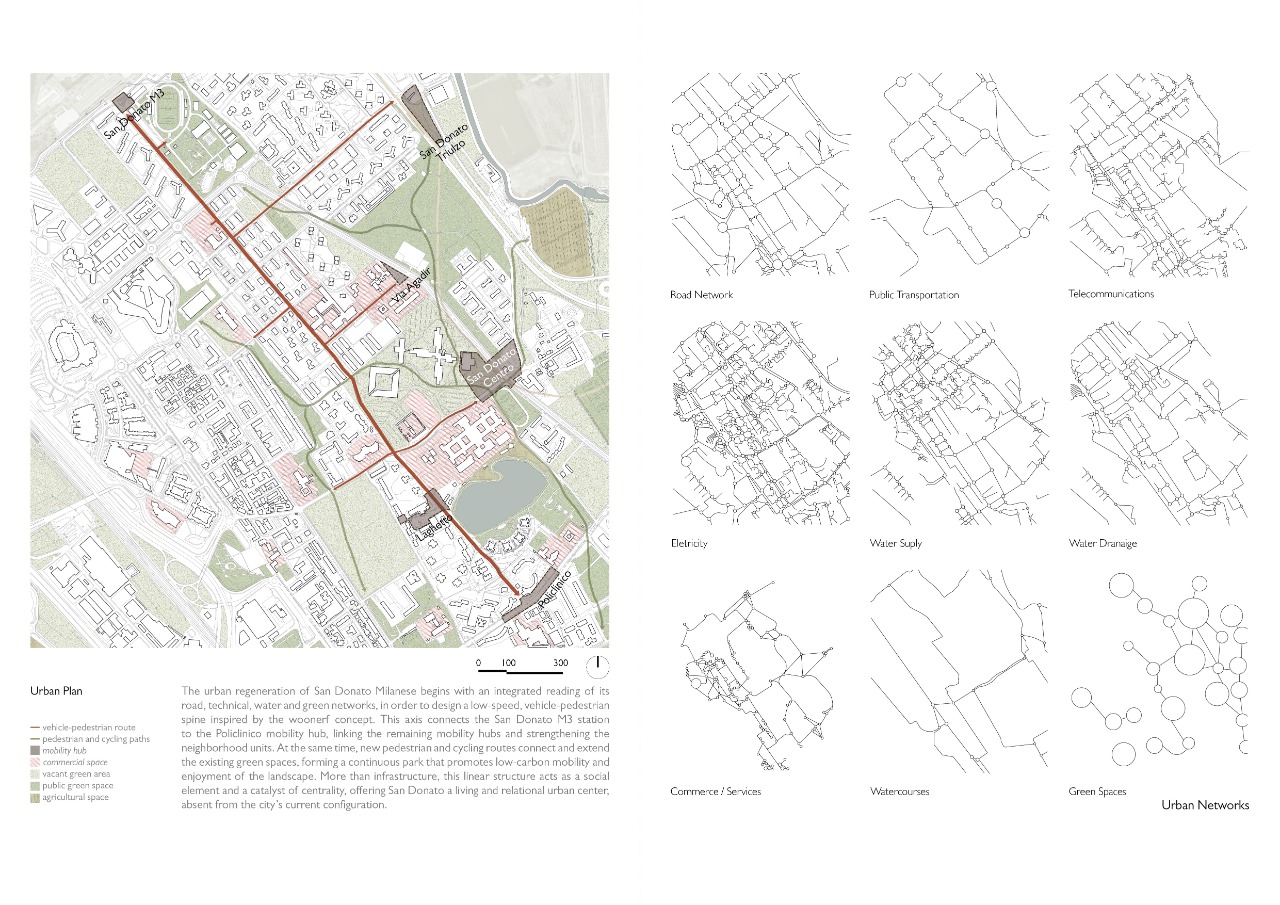
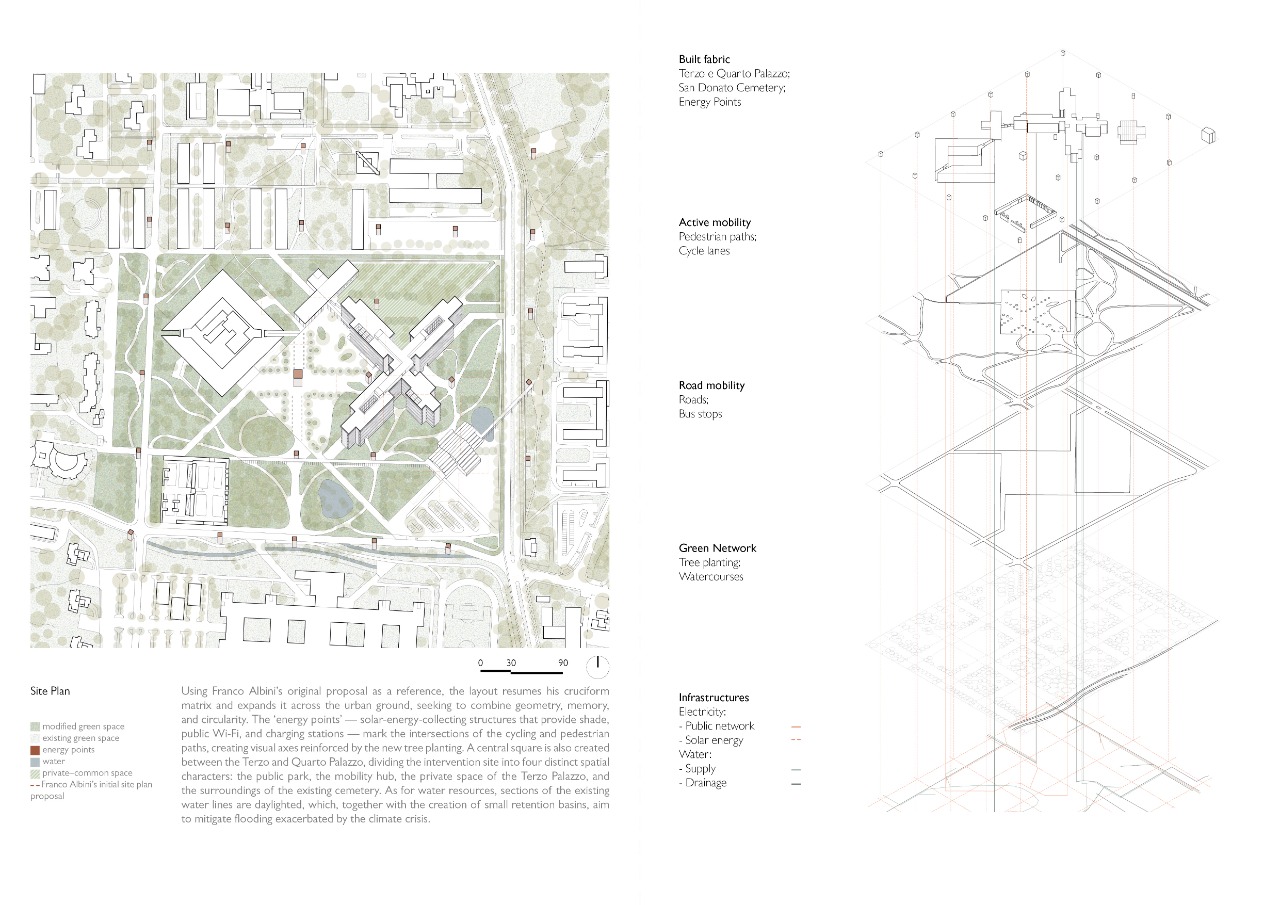
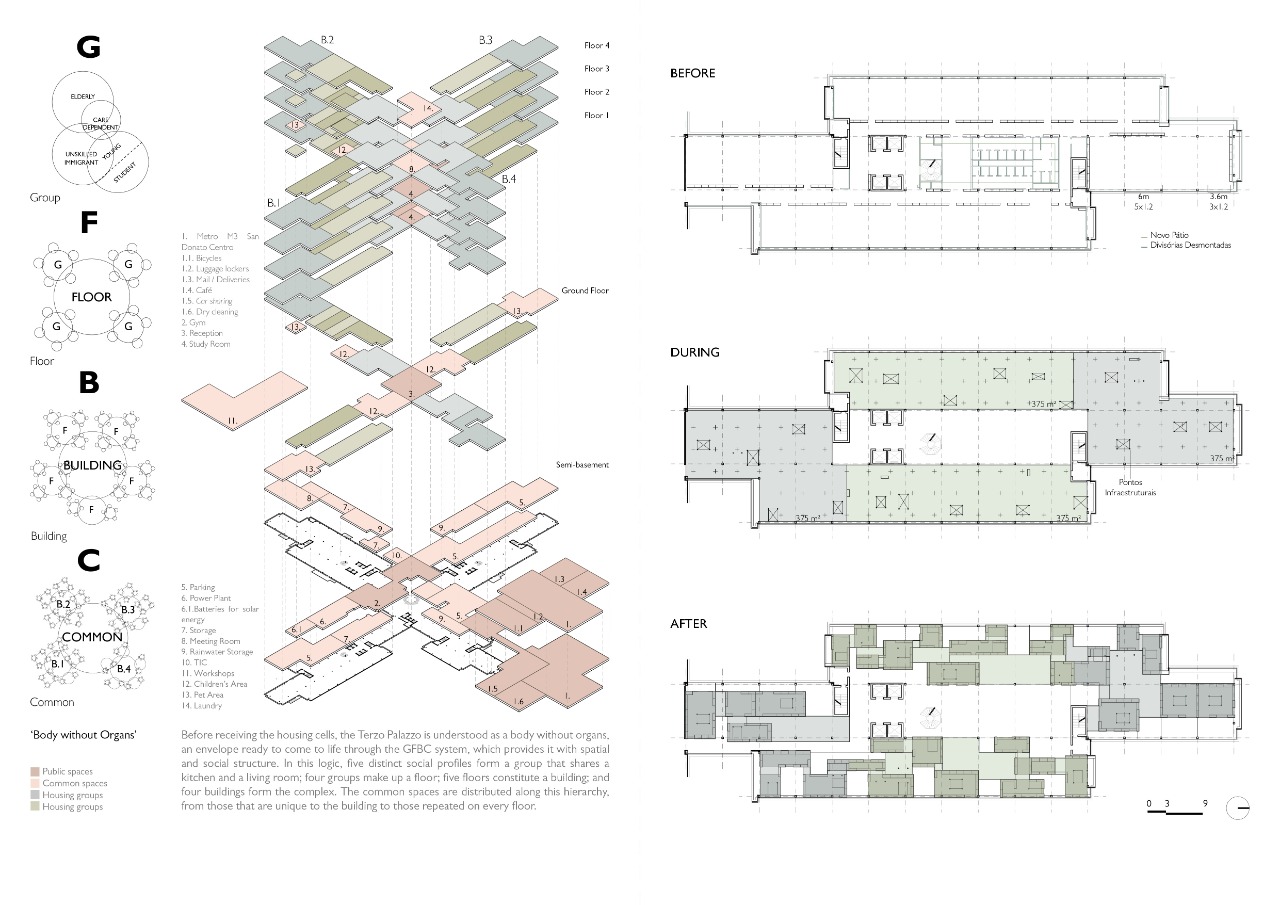
Working across scales, the project restructures fragmented urban infrastructures into integrated networks of mobility, local production, and public space, reducing car dependency while establishing a new collective center for San Donato Milanese. Within this framework, the existing building is approached as a “body without organs,” activated through the GFBC system — a spatial and social structure that organizes inhabitants into interdependent groups and distributes shared spaces across multiple scales.
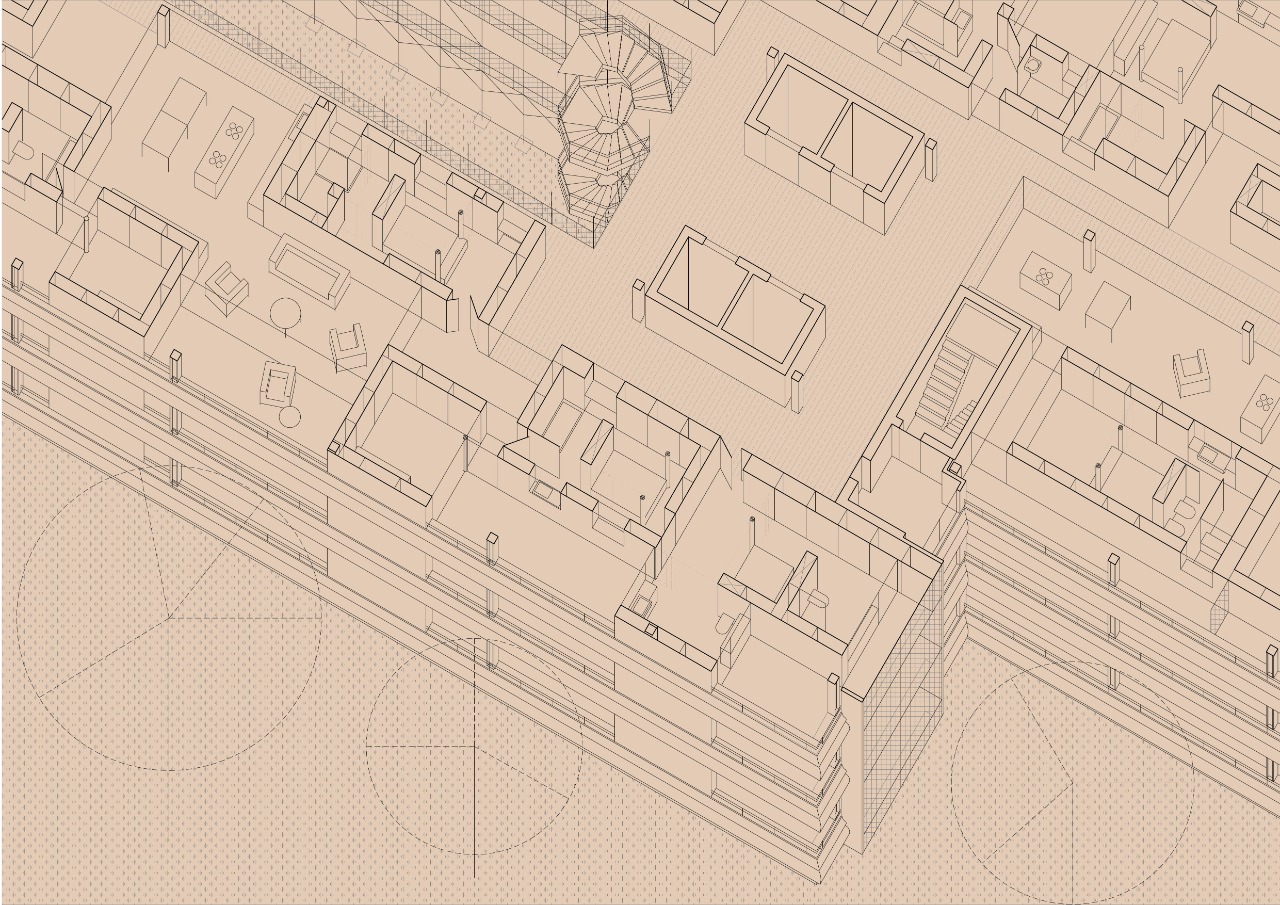
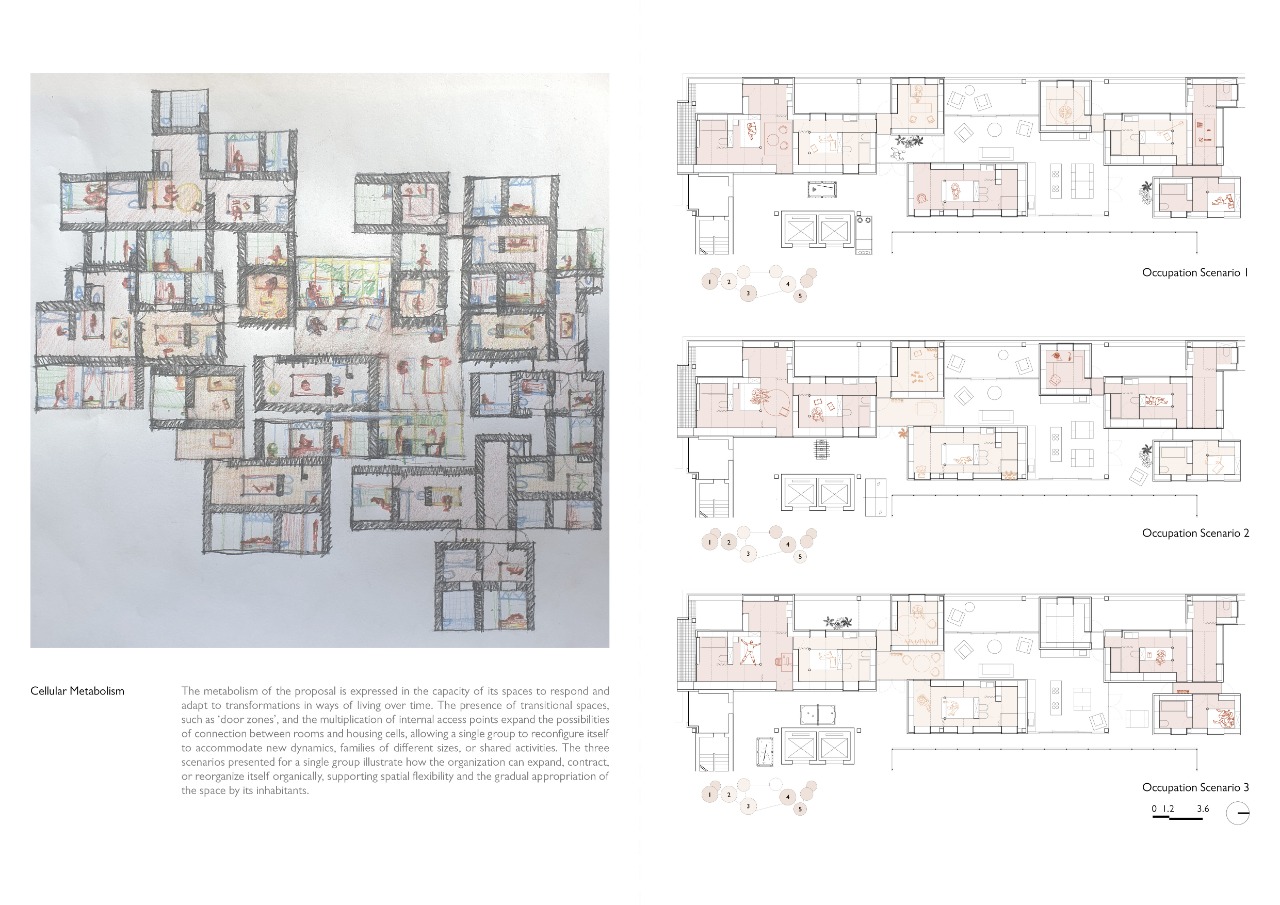
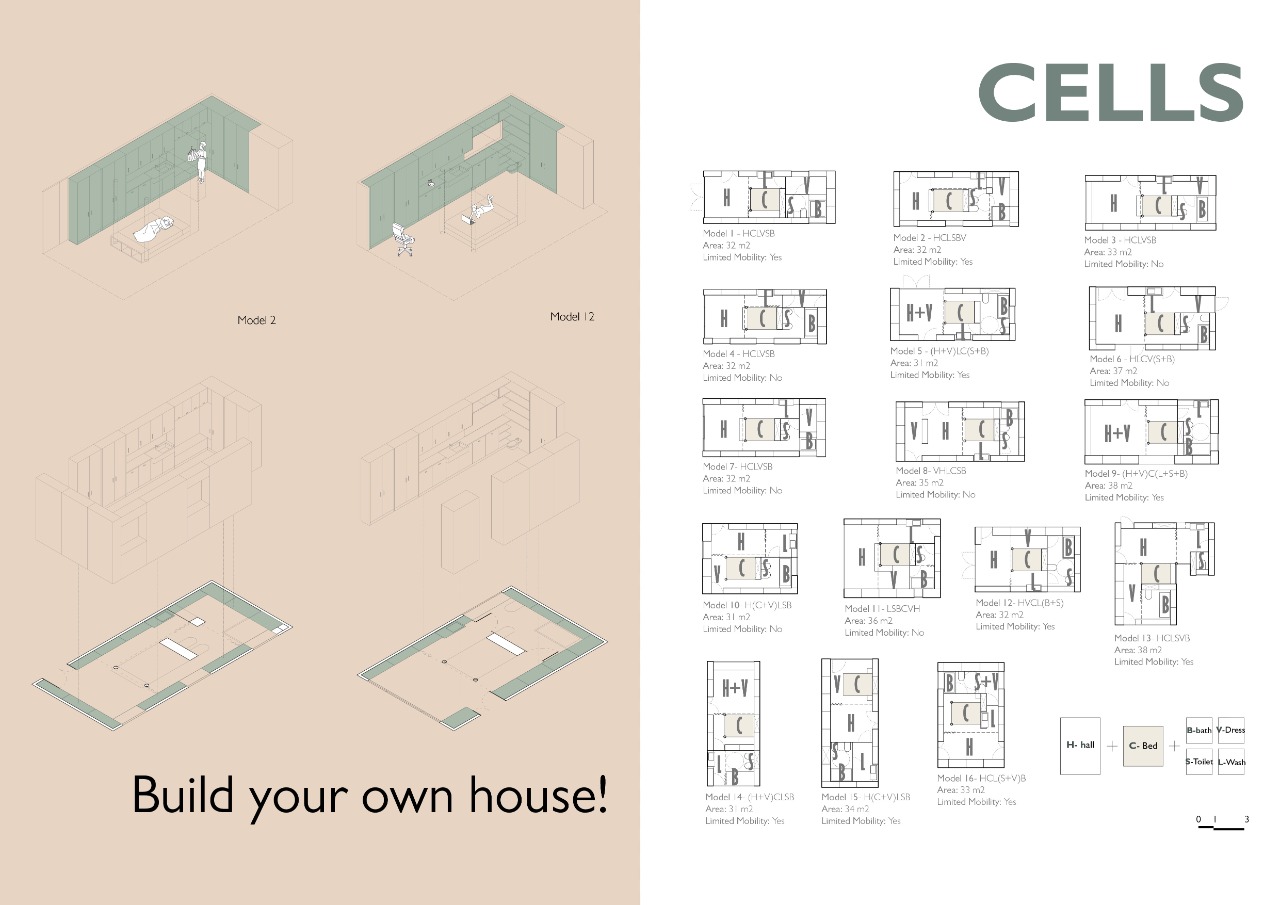
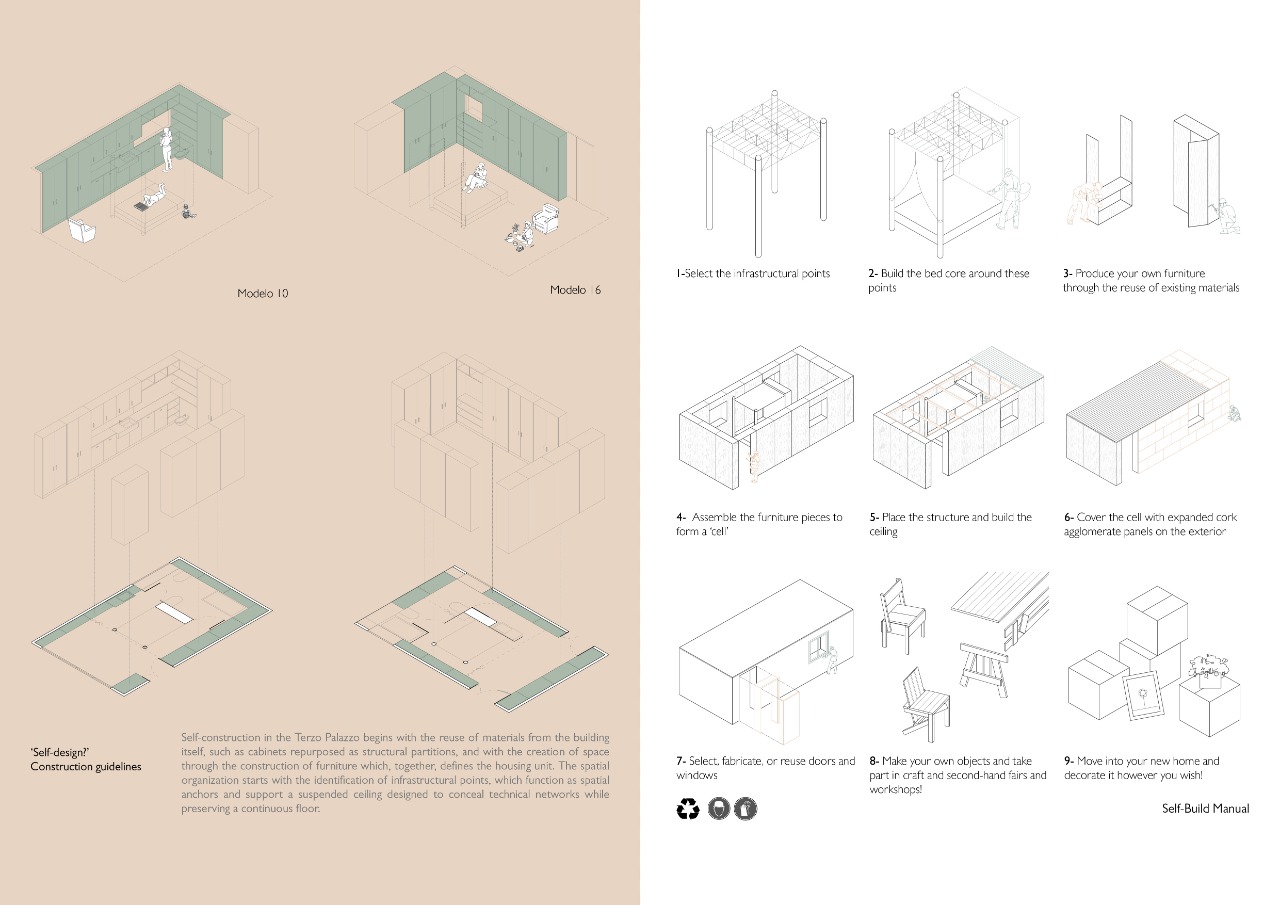
Housing emerges as a flexible system of lightweight, self-built cells anchored to infrastructural cores, where furniture becomes architecture and inhabitants actively shape their domestic environment. Adaptability is embedded at every level, allowing spaces to expand, contract, and evolve over time.
By merging infrastructural clarity, collective organization, and spatial agency, the project redefines housing as a dynamic interface between body, home, and city.