
Design Skill
For American Architect Rick Joy, We Must “Pay Attention to the Humanizing Virtues” of Architecture
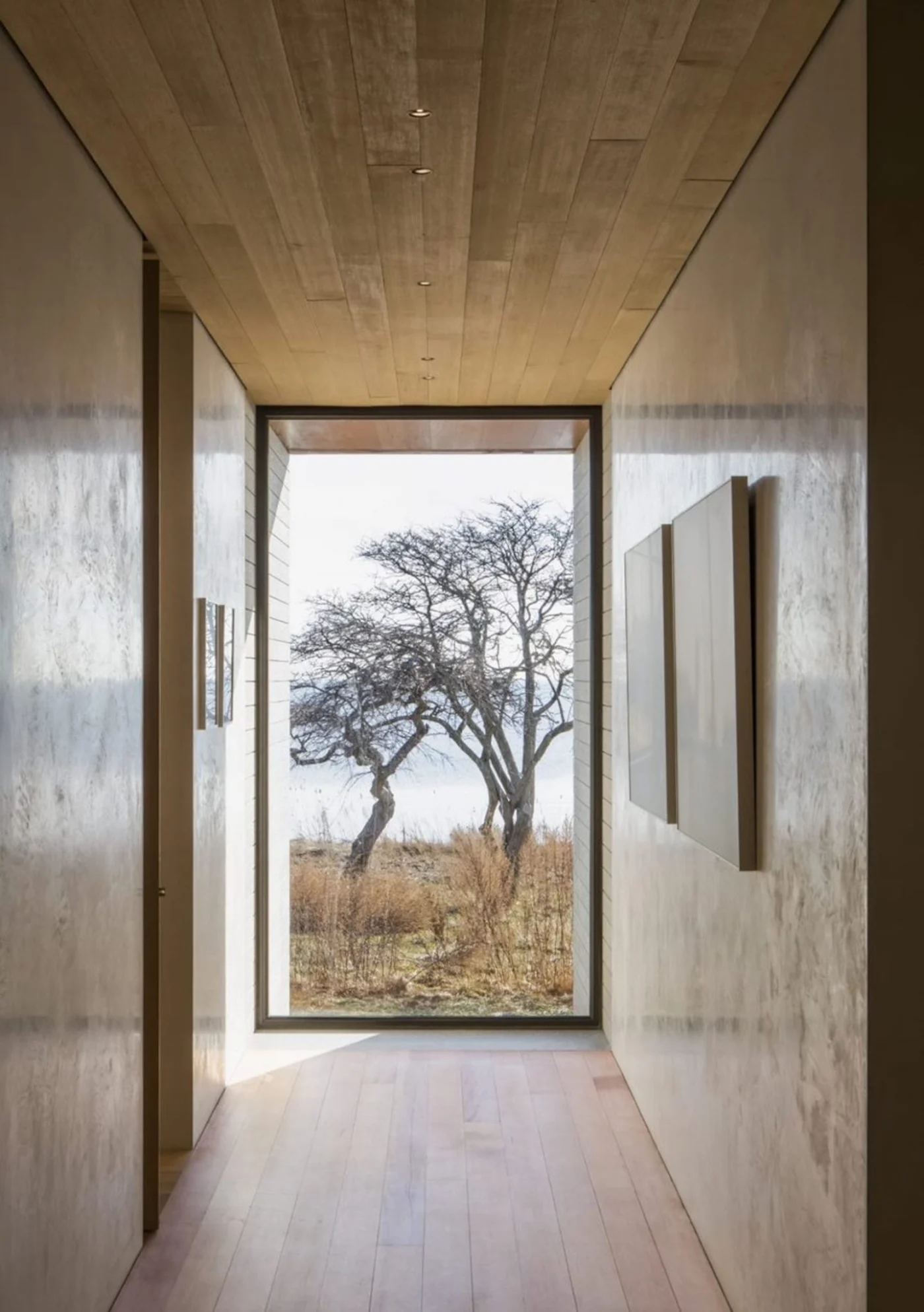
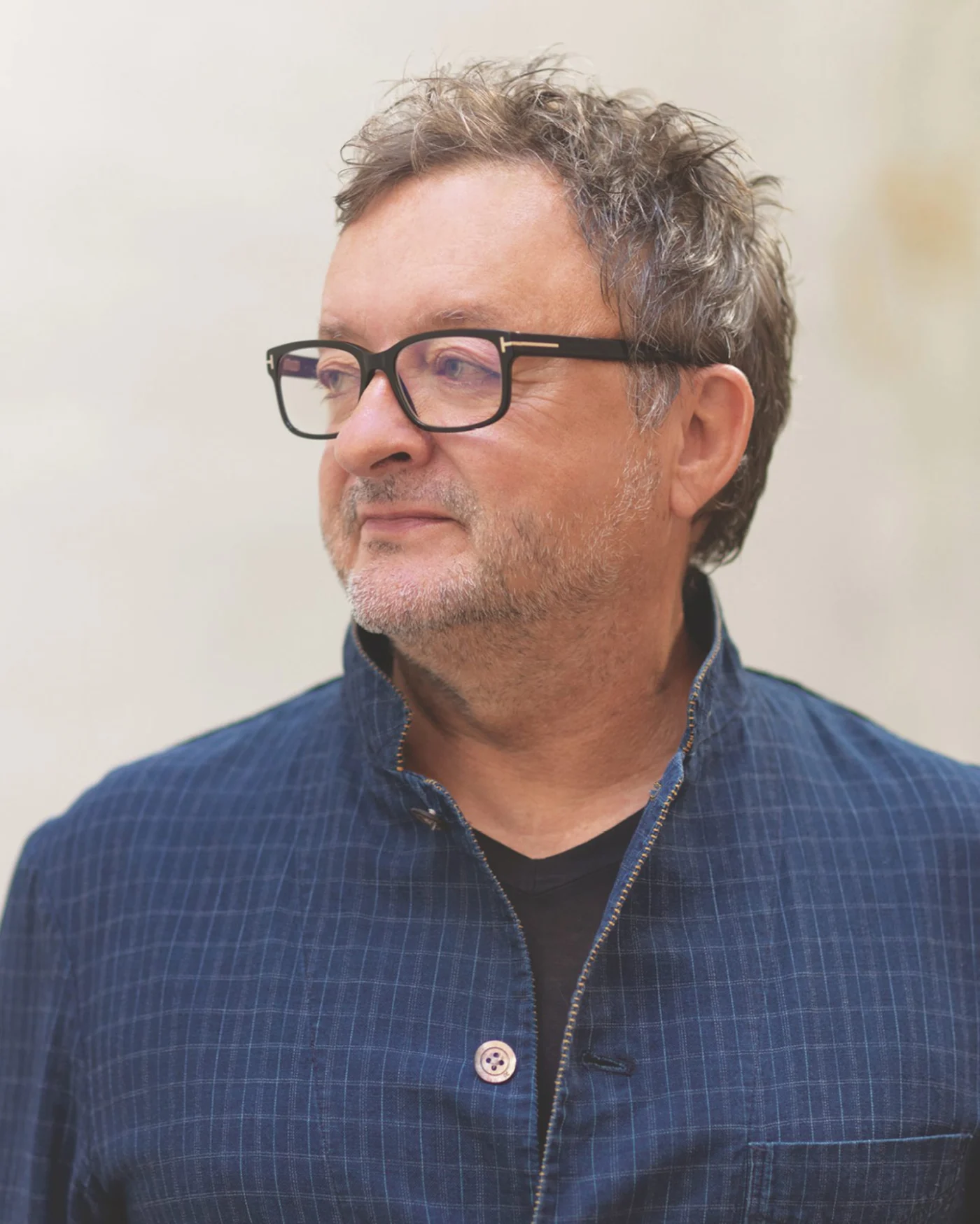
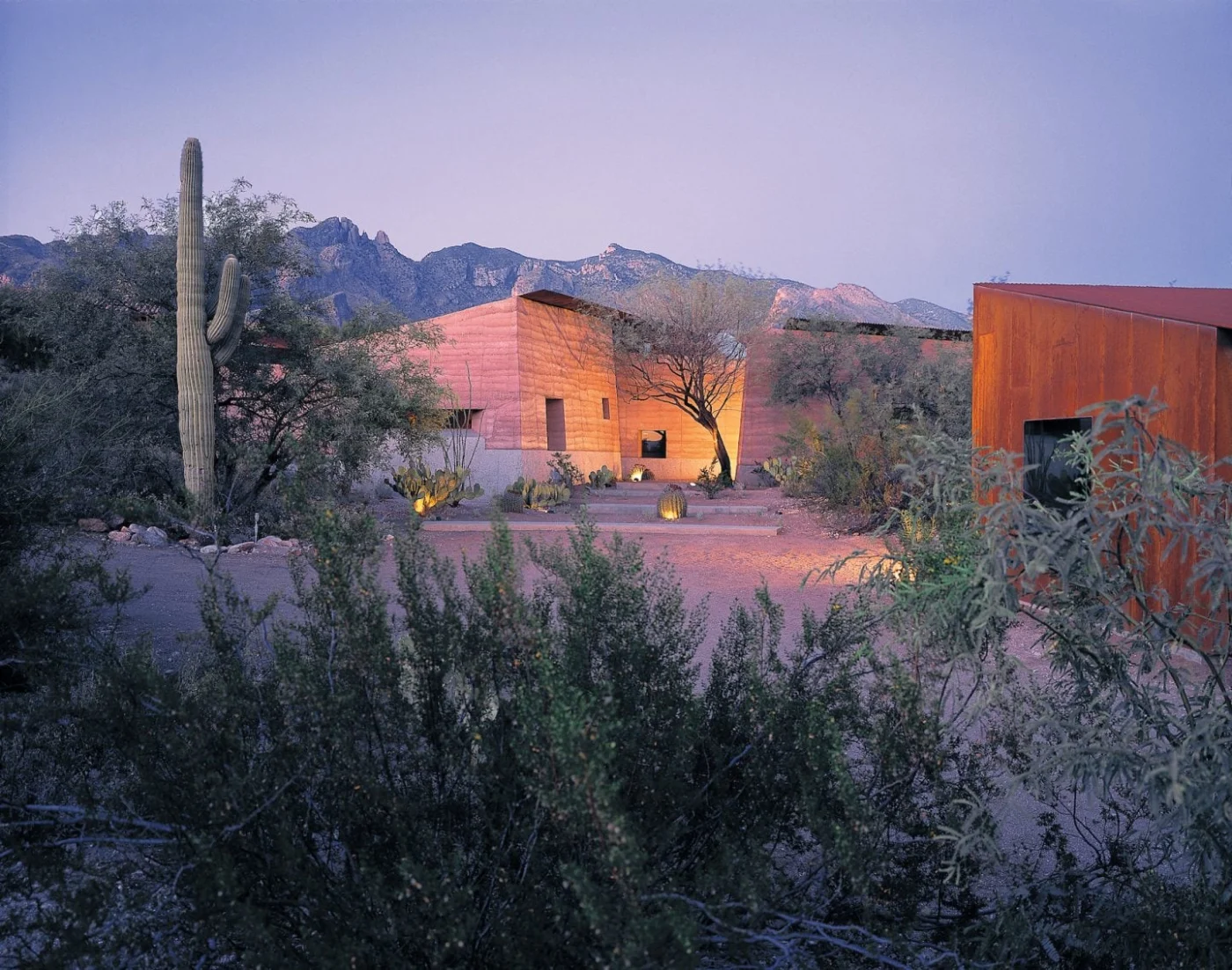
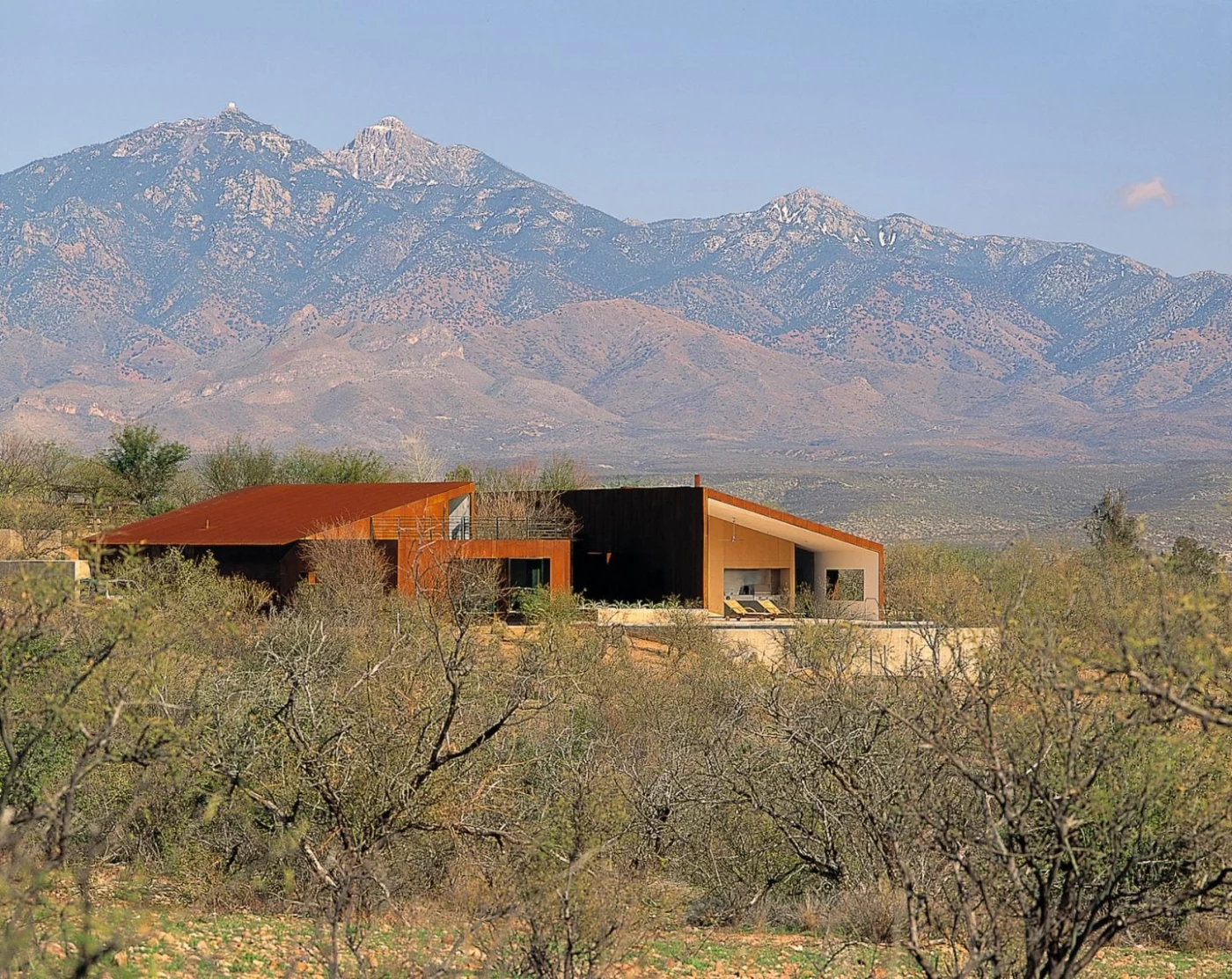
American architect Rick Joy is best known for one-of-a-kind houses in the Sonoran Desert that embrace their landscape and are built with rammed earth. From his Tucson practice, Studio Rick Joy, he belongs to a group of architects focused on bringing nature back into building. For him, good architecture comes down to paying attention to its “humanizing virtues”.
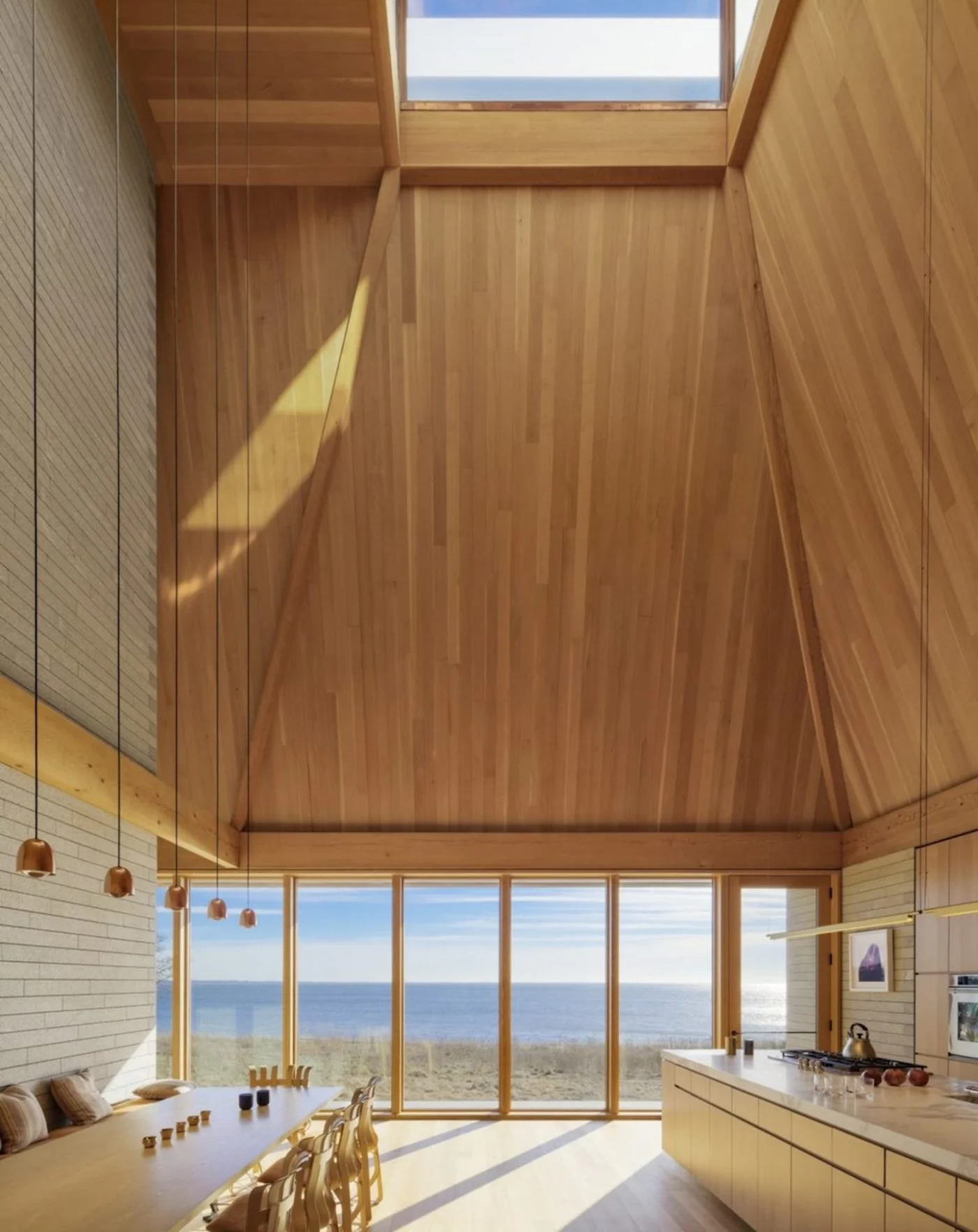
From drummer to architect
Joy grew up in Maine, the most northeasterly US state, and worked as a professional drummer and percussionist until the age of 28. When he felt the music industry changing, he quit and went to architecture school, studying at the University of Arizona in the 1980s. He has lived in Arizona ever since.
After graduating in 1990 he joined Will Bruder Architects, spending three years as a junior architect on the Burton Barr Central Library in Phoenix. He opened his own practice in Tucson in 1993.
Large projects and small desert houses
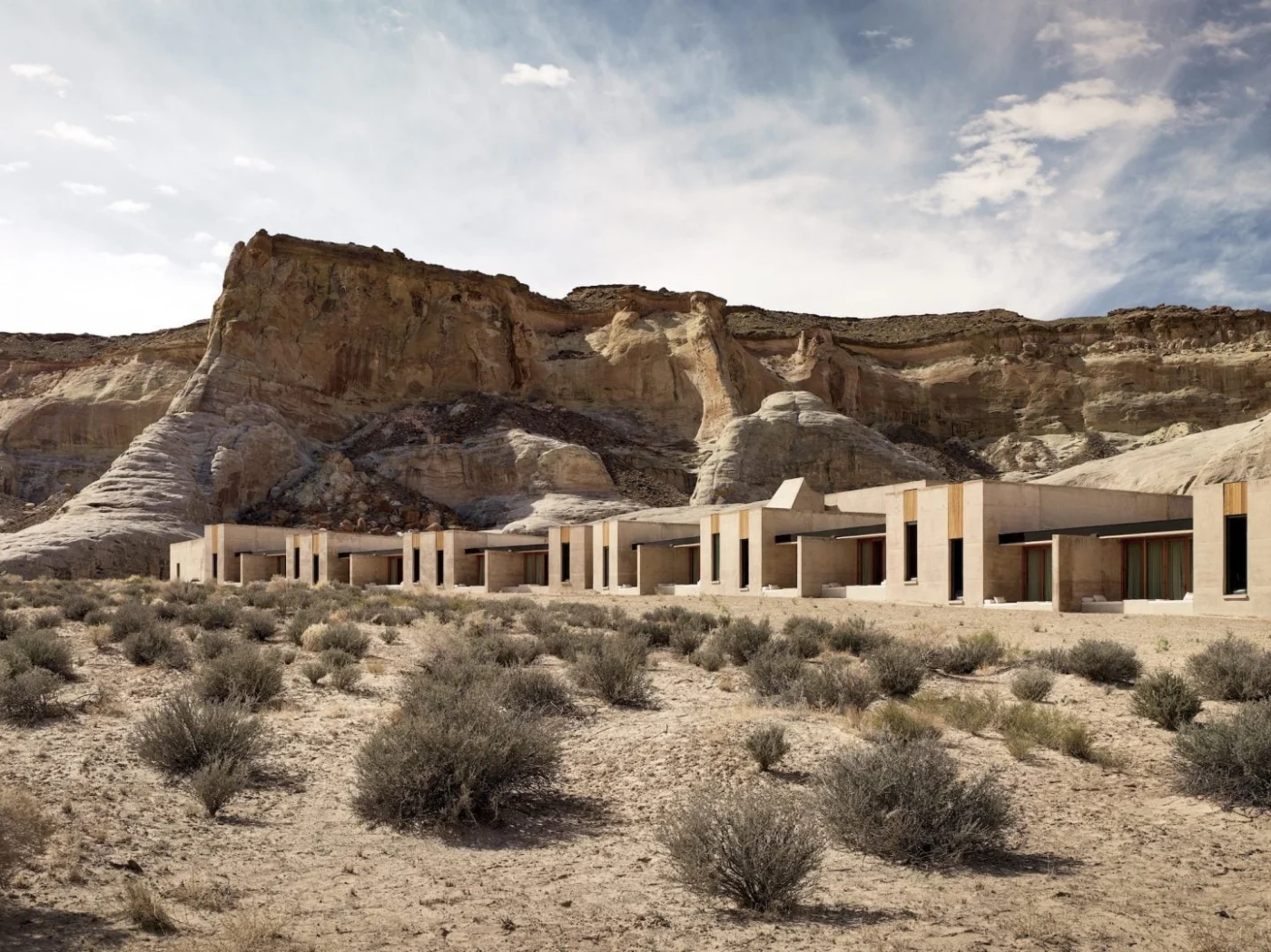
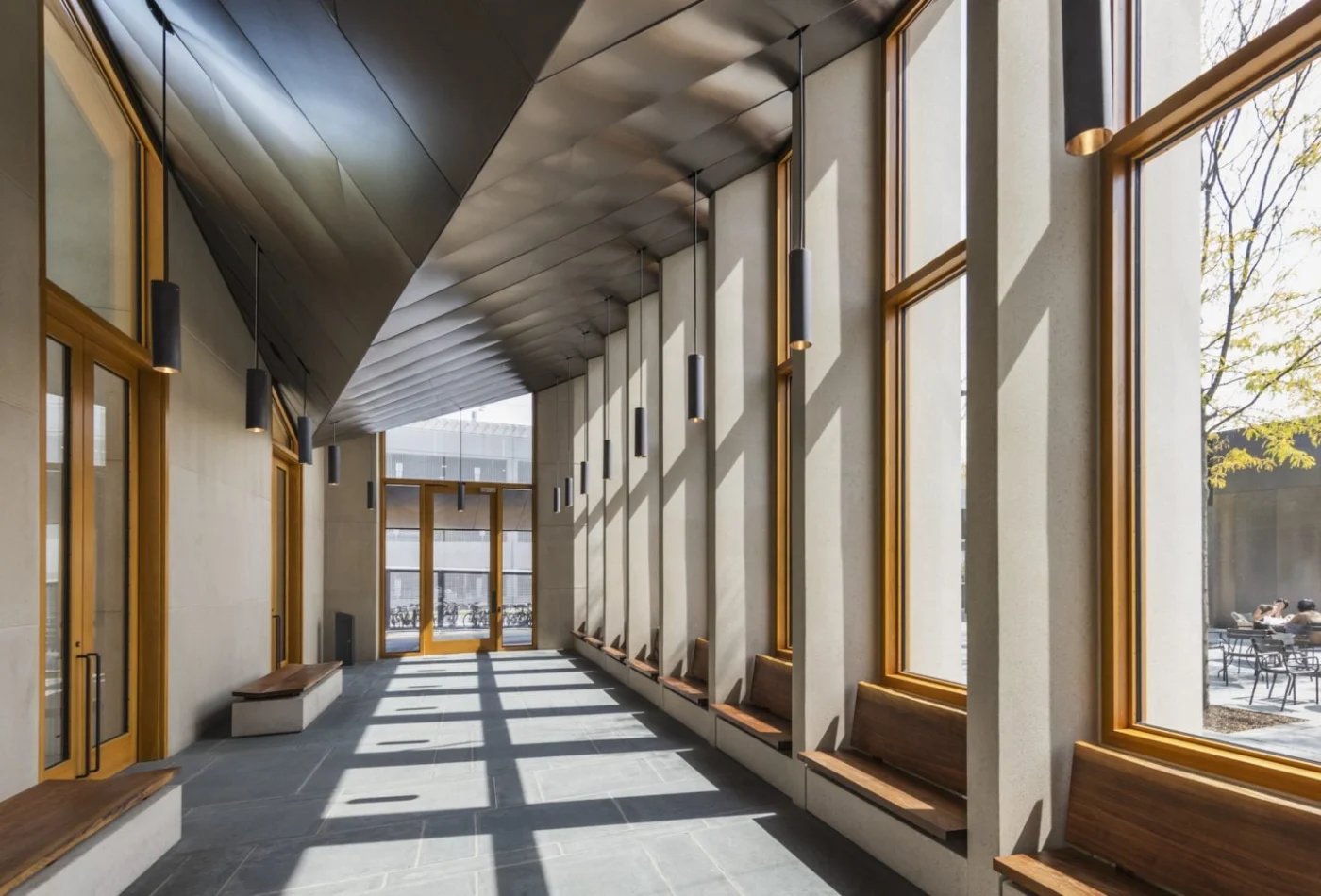
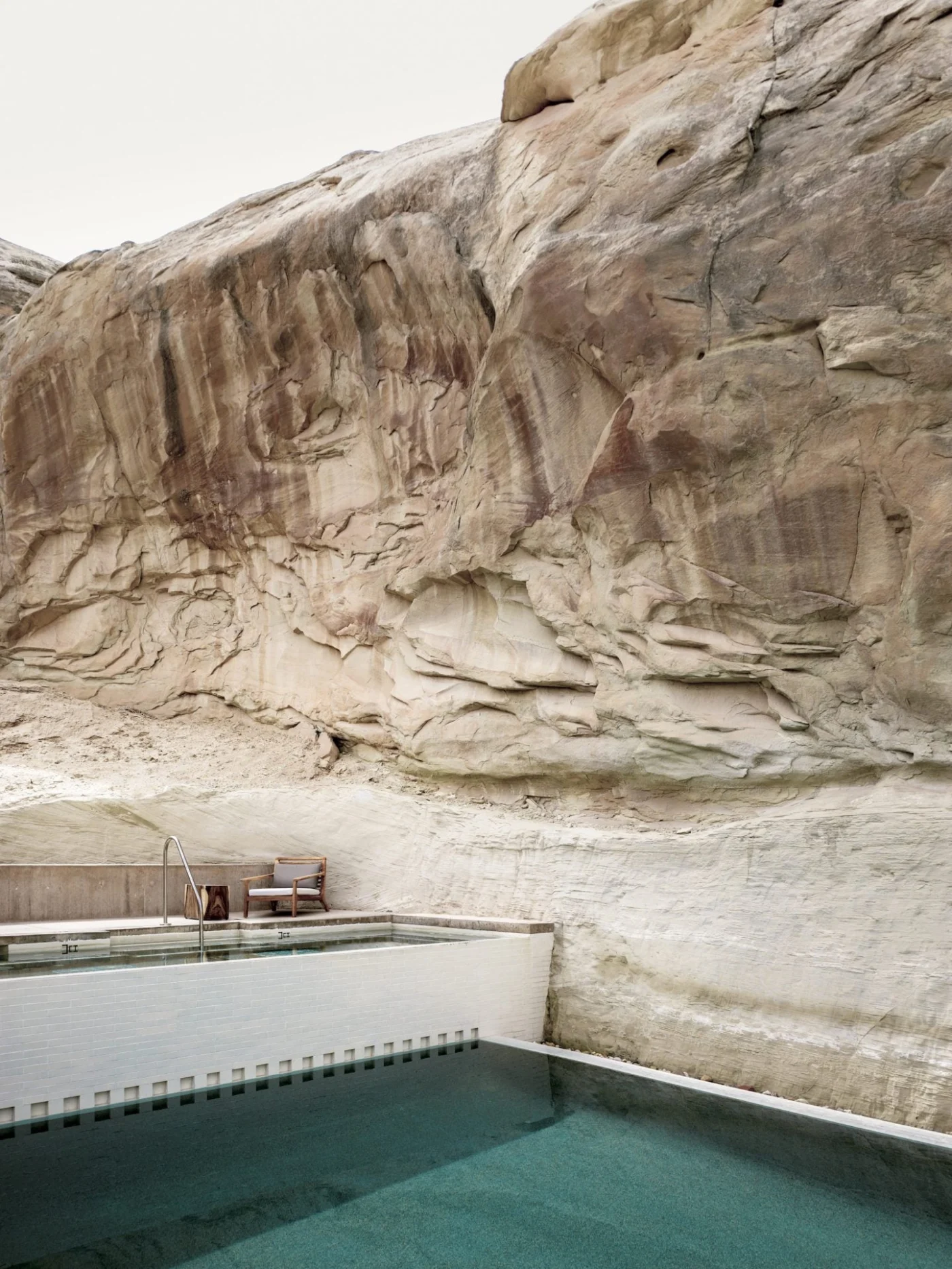
Today the studio has a team of about 20 and works across commercial and public buildings, homes and interiors. Larger projects include the Amangiri Resort and Spa in Utah, designed with architects Marwan Al-Sayed and Wendell Burnette, and the Princeton Transit Hall and Market for Princeton University in New Jersey. Yet it is the small off-grid houses in places like the desert that have drawn the most attention, along with young architects who come from around the world to train at the studio.
Tennyson 205: nature in every room
Context matters to the studio, from the street to the wider region, but Joy says the work is above all about people. Growing up with little money, his family found luxury in nature, at the lake or on a forest picnic, and that idea runs through his projects.
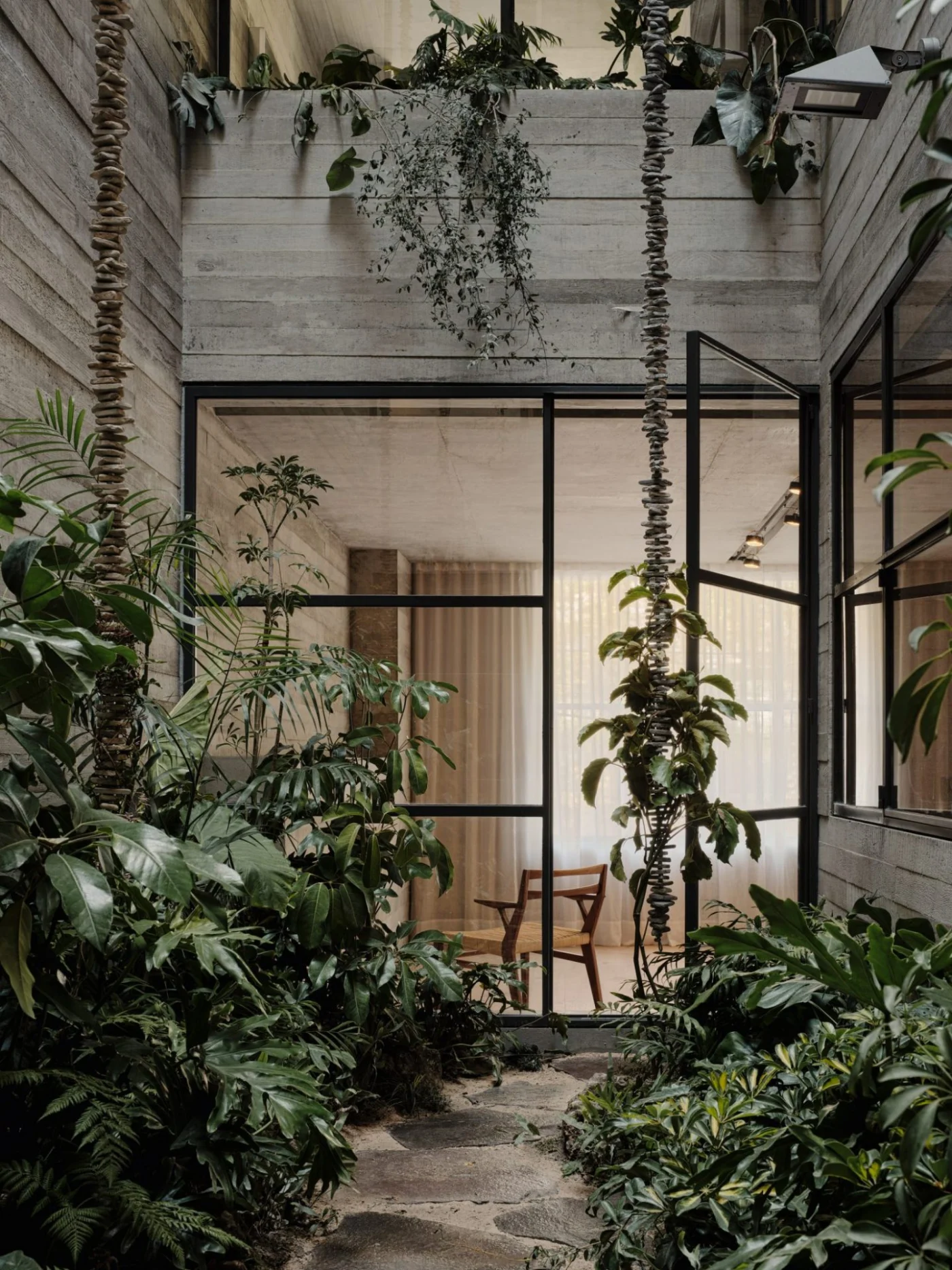
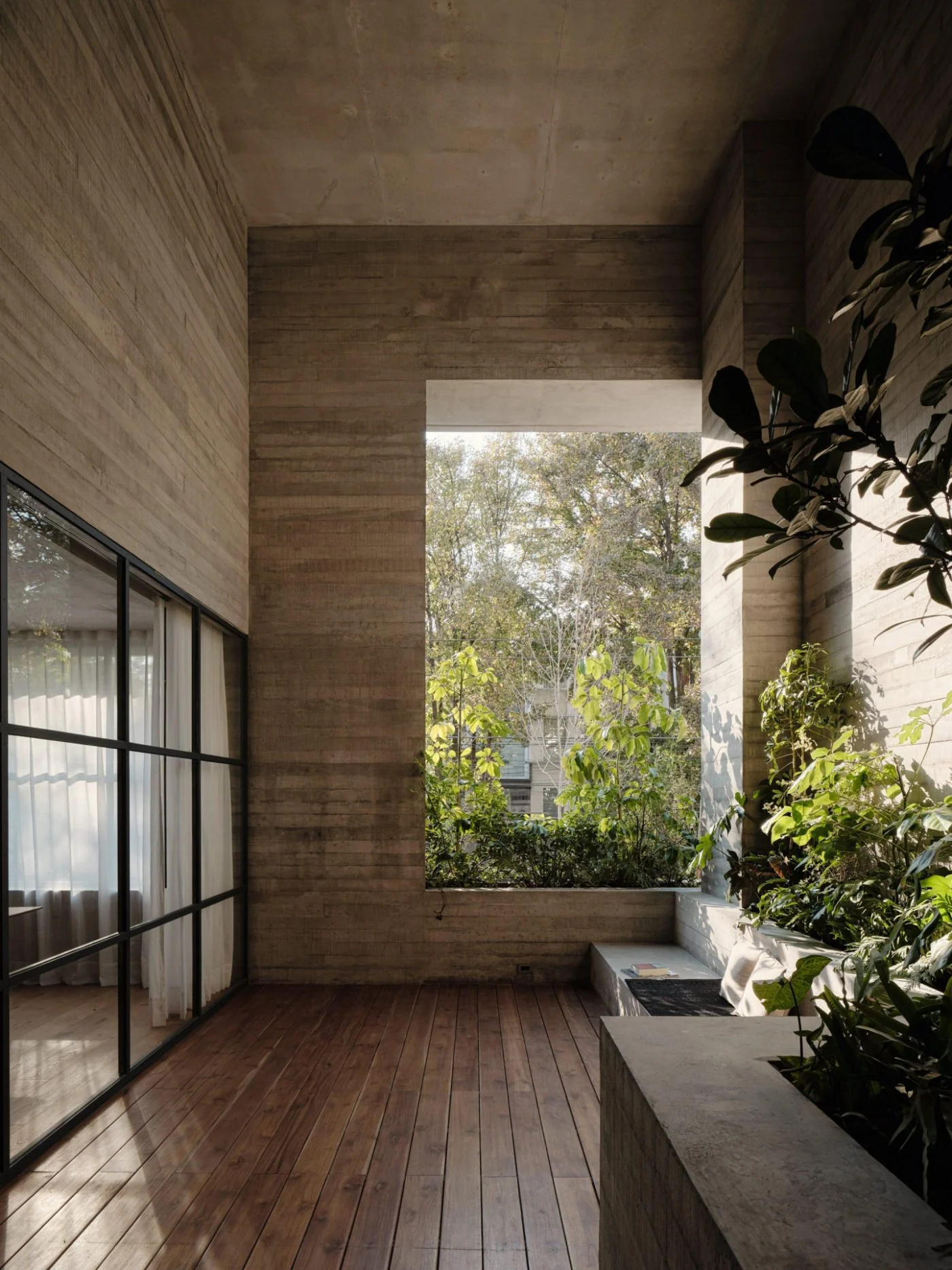
Tennyson 205 in Polanco, a green neighbourhood of Mexico City, is a sculptural five-storey building with two two-storey apartments stacked one above the other. Three planted light wells, filled with planters, boxes and hanging vines, bring daylight down to the lower levels, so every space has greenery. The material palette is restrained and informed by local building traditions.
Rammed earth and off-grid living
Joy favours a vernacular version of Modernism that avoids CO2-heavy materials where possible and revives traditional techniques using rammed earth and wood. He prefers doing to talking: he builds with rammed earth and designs buildings that run completely off the grid, and his own house is fully solar powered.
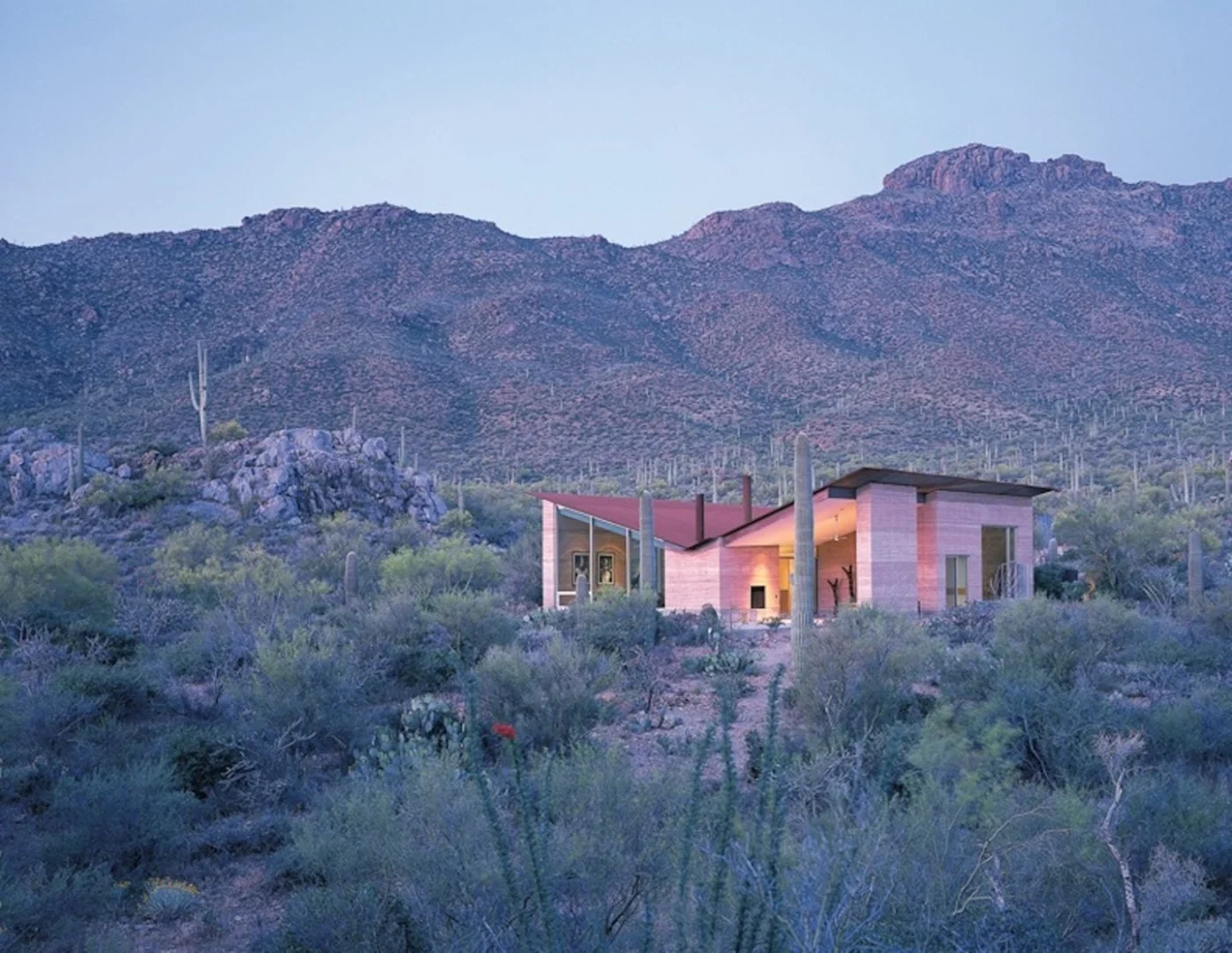
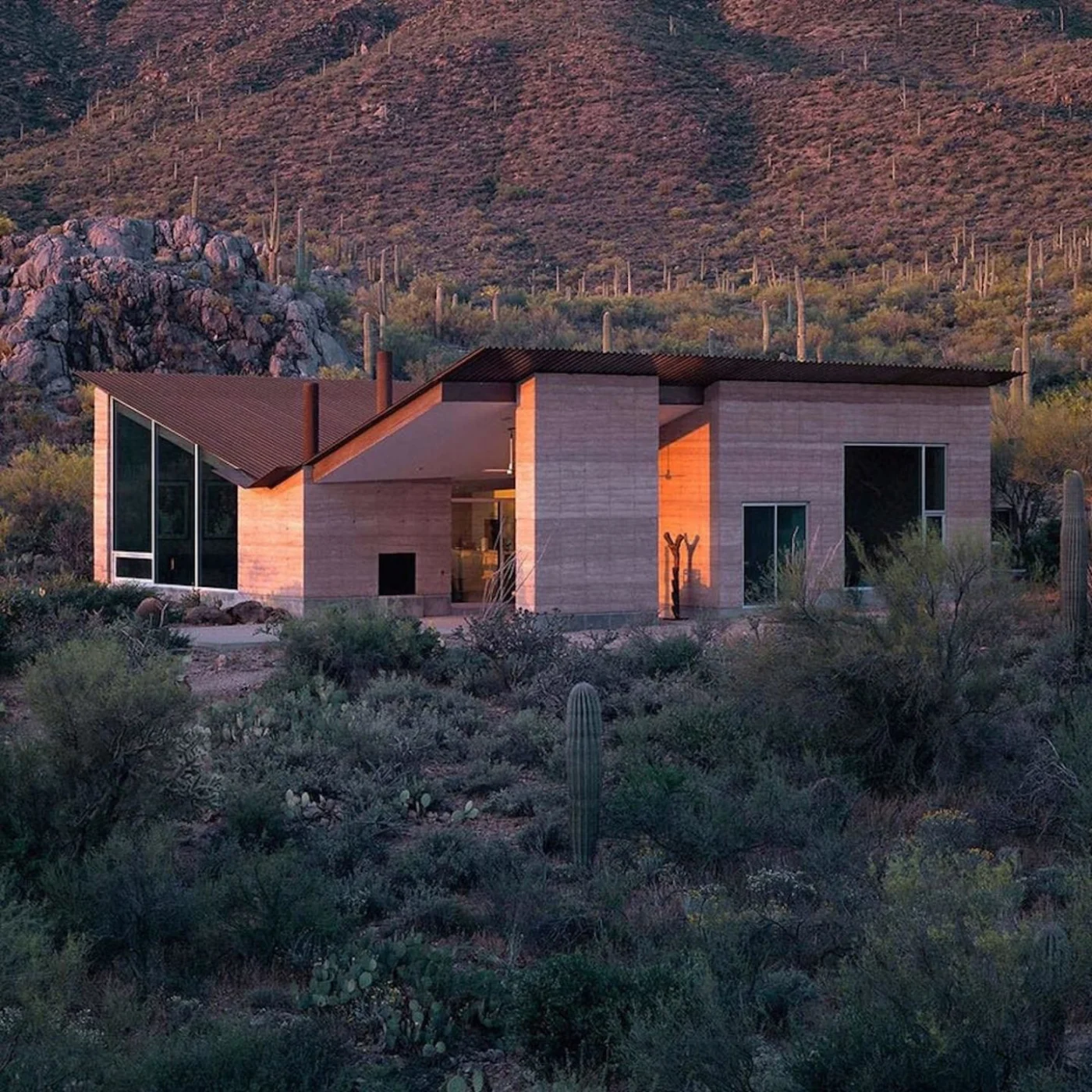
The Tucson Mountain House follows this approach. Set in a secluded valley protected by ridges, the off-grid home is built almost entirely from desert soil, so its rusty red and taupe tones match the land around it. The angled roof collects rainwater and channels it into cisterns, and the client has lived there for about 20 years with no well and no mains power.
Houses that last for their owners
Joy admits that early in the pandemic he considered giving up, but he has since set up a new drawing studio for himself. What matters most, he says, is how people live in his buildings. The client of his first house, the Catalina House, is now in his mid-90s and still looks after it with care, and the owners of the Tubac House recently travelled to Tucson to tell him how grateful they are for their home every day.
Credits
- Architect: Rick Joy, Studio Rick Joy, Tucson, Arizona
- Photography: Jeff Goldberg / ESTO, Aman Resorts – L Zehn Studio, Joe Fletcher, Bill Timmerman; portrait courtesy of Studio Rick Joy
- Source: Ignant