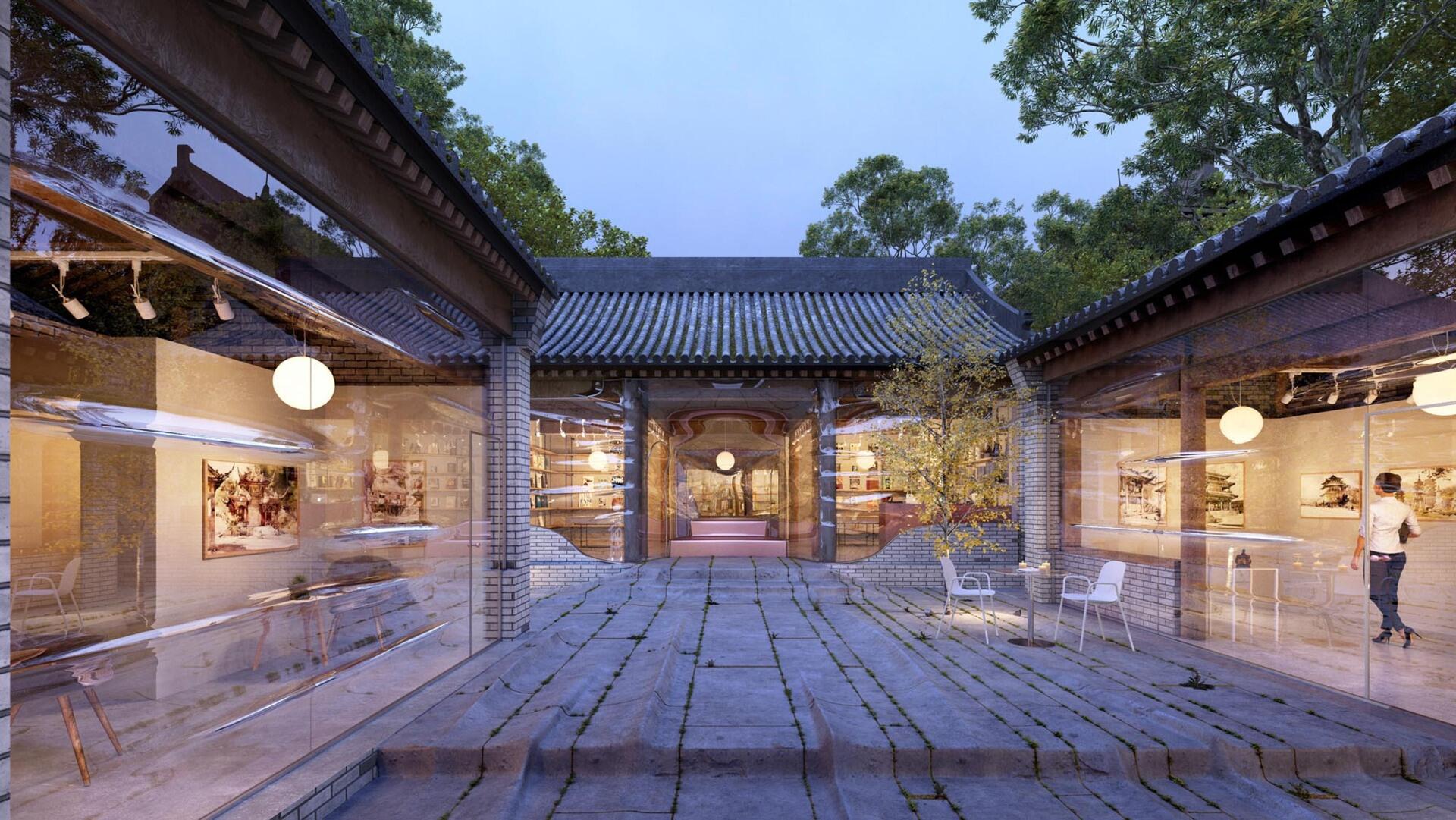
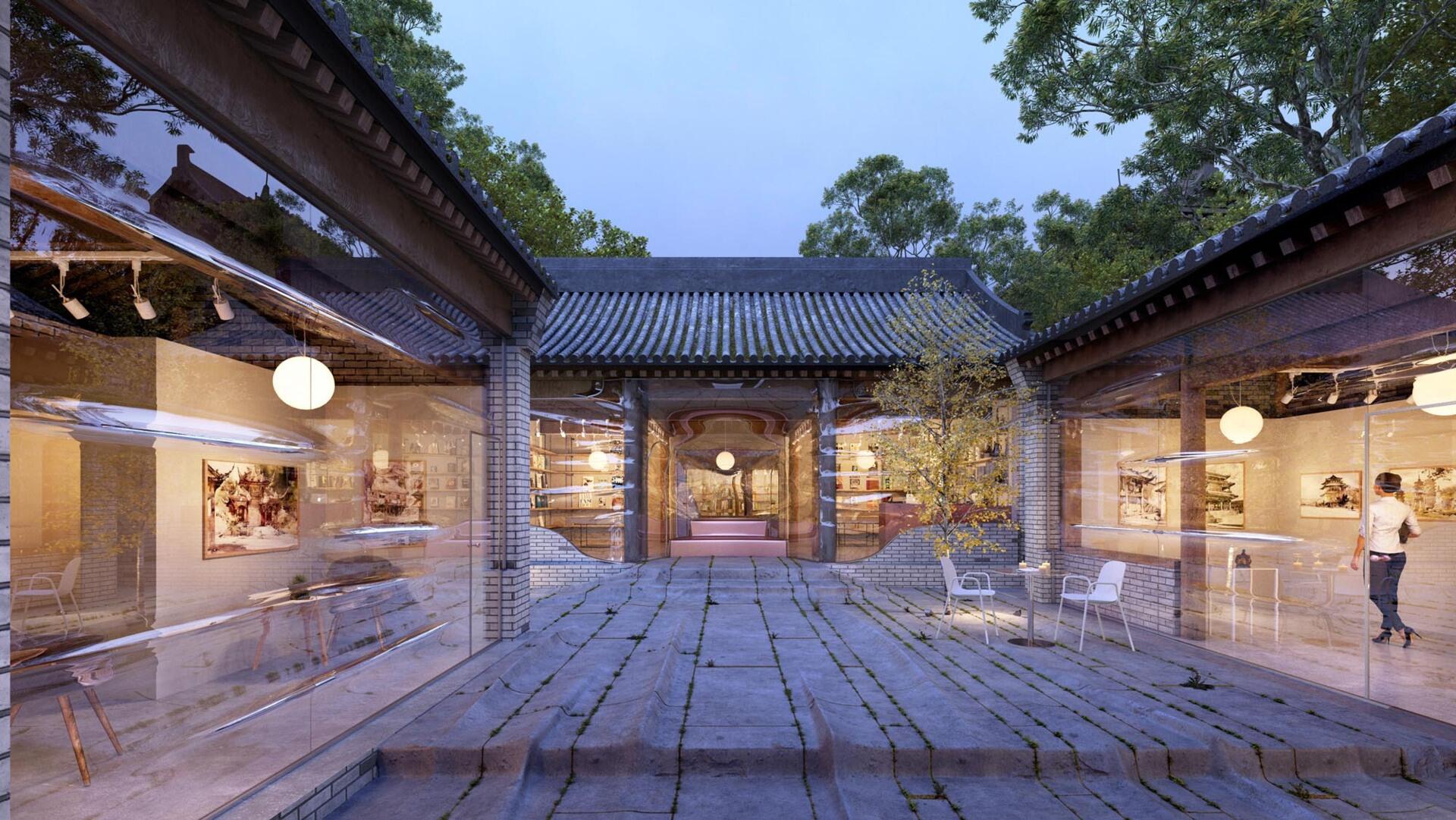
Tucked deep within Beijing’s ancient urban fabric, a historic hutong has been renovated by Daipu Architects. Rather than treating renewal as a surface exercise, the project explores how new spatial relationships can bring life back to old city spaces. The result is a modern intervention that feels both strikingly contemporary and deliberately reversible, leaving the original architecture entirely intact.
Before the Transformation
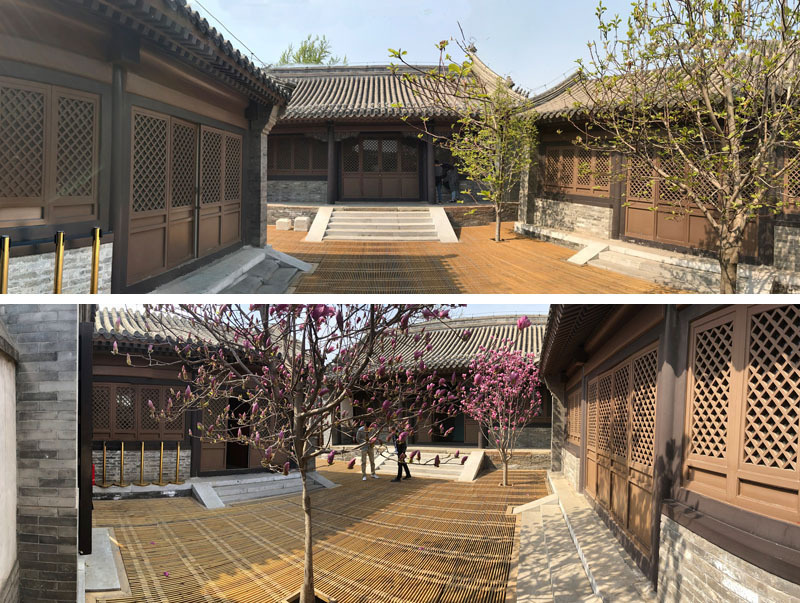
Before its update, the hutong existed much as it had for decades. The building held historic preservation status, which meant the original facades, timber structure, and brickwork were strictly protected. Nothing could be replaced, removed, or altered. These limitations shaped every design decision and ruled out the usual renovation tactics of swapping doors, upgrading windows, or refreshing materials.
Instead of seeing these constraints as an obstacle, the architects treated them as the starting point for a more conceptual response.
A Glass Skin That Leaves No Trace
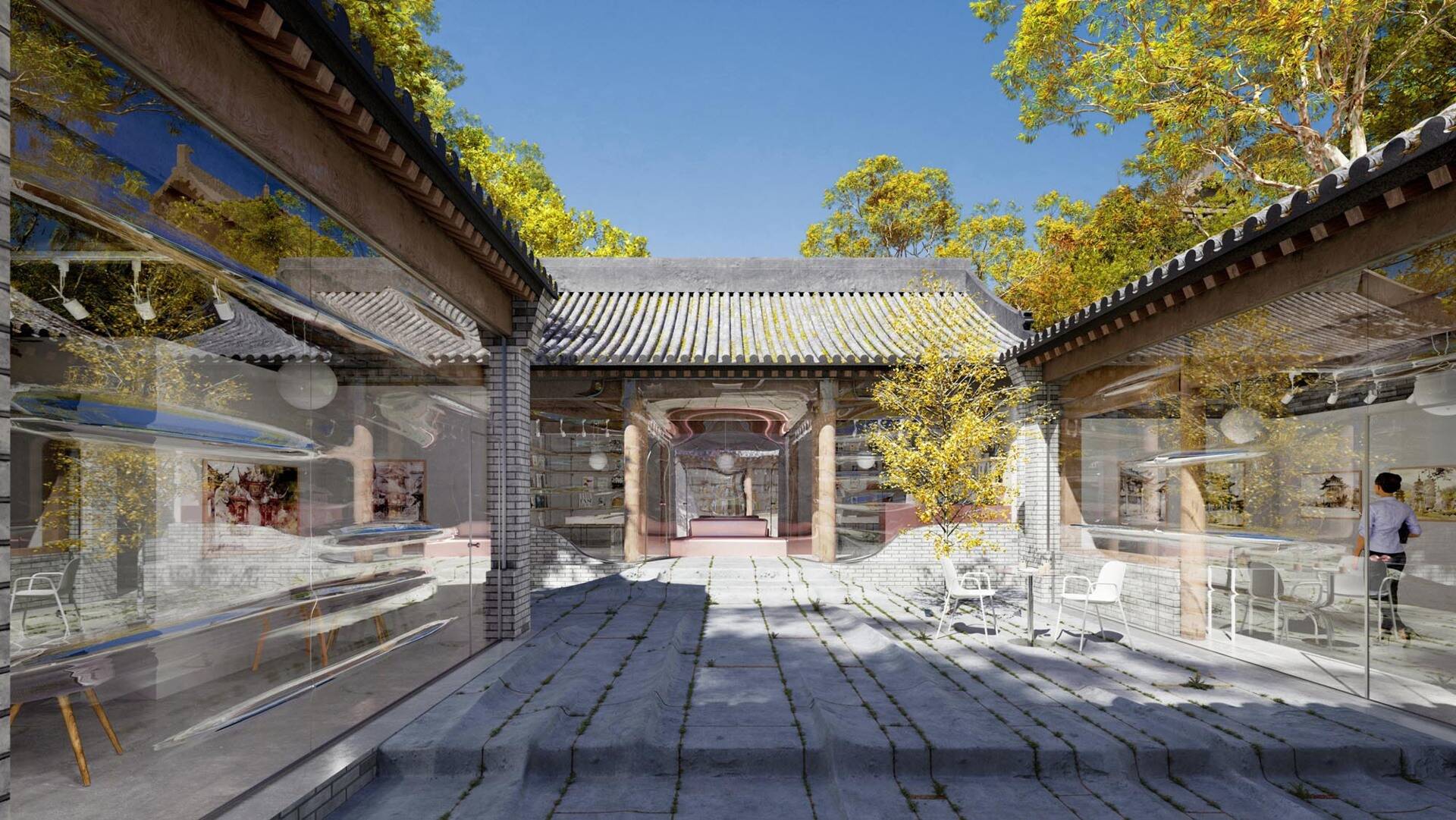
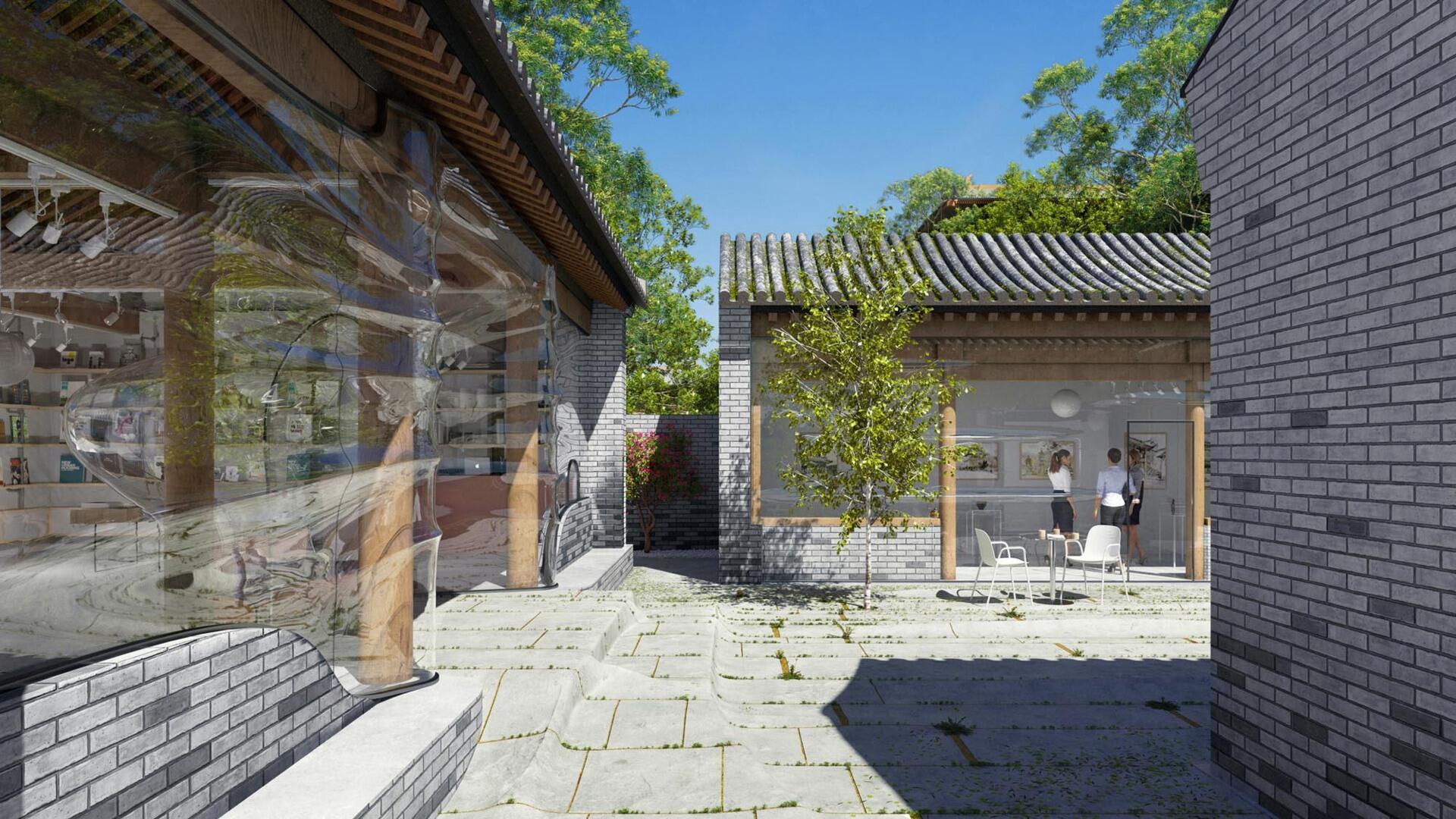
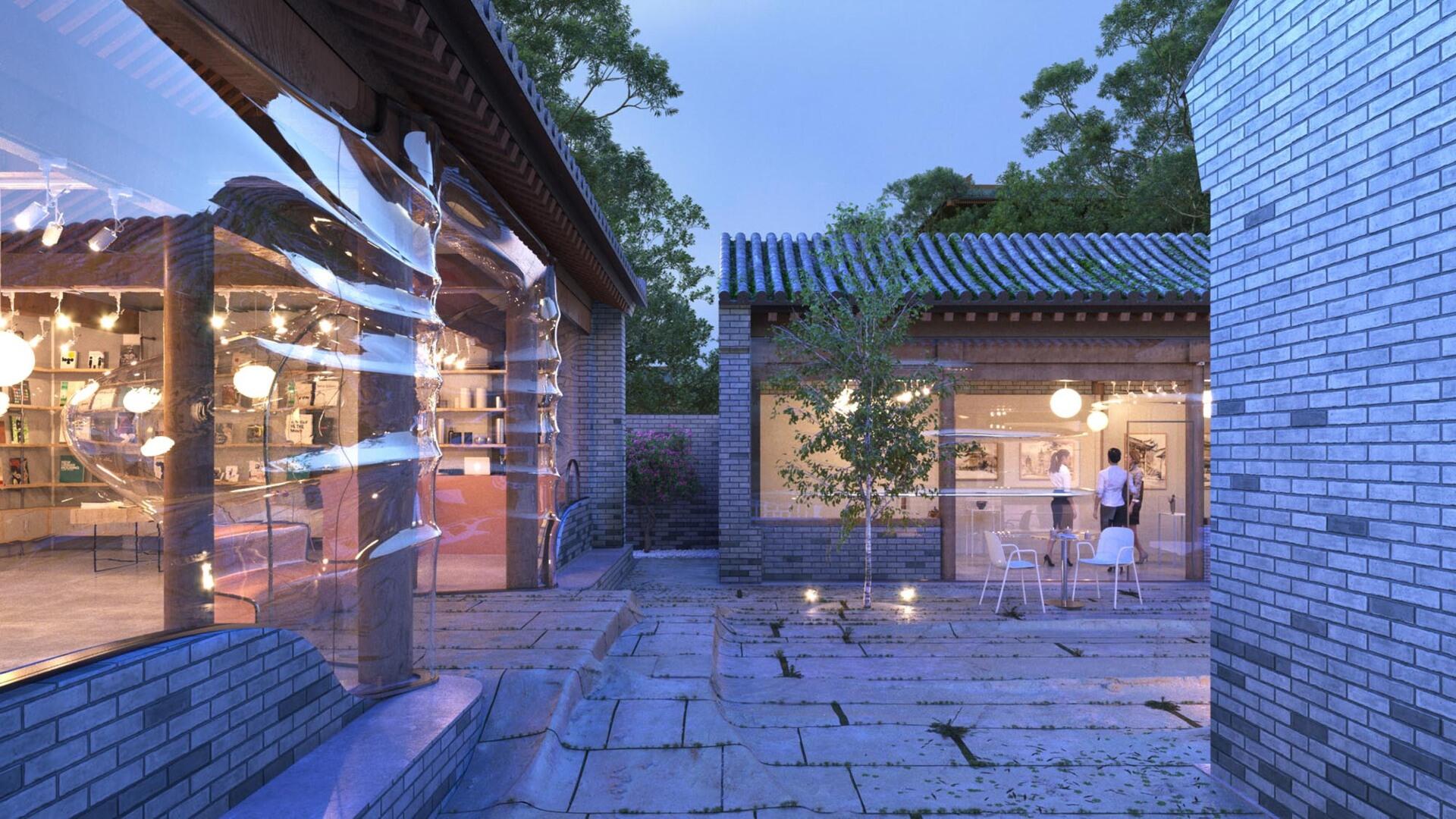
The defining move of the project was the addition of a transparent, invisibility cloak-like glass skin that wraps the courtyard buildings. Rather than attaching itself permanently to the historic fabric, the glass acts as a temporary layer that preserves everything beneath it in its original state.
Crucially, the intervention is fully reversible. With a single administrative decision, the glass skin can be removed without leaving any trace behind, returning the hutong to exactly how it once was. It is a rare example of urban renewal that refuses to overwrite history, choosing instead to hover lightly around it.
Light, Wrinkles, and Distortion
At certain points, the glass skin appears to be pulled inward toward the building, creating soft wrinkles and undulations across its surface. When light hits these folds, reflections scatter and bend, subtly distorting views of the courtyards beyond.
What looks transparent at first glance quickly becomes ambiguous. The glass blurs edges, alters depth, and reshapes perception, turning everyday movement through the space into something more atmospheric and uncertain.
A Sculptural Interior Experience
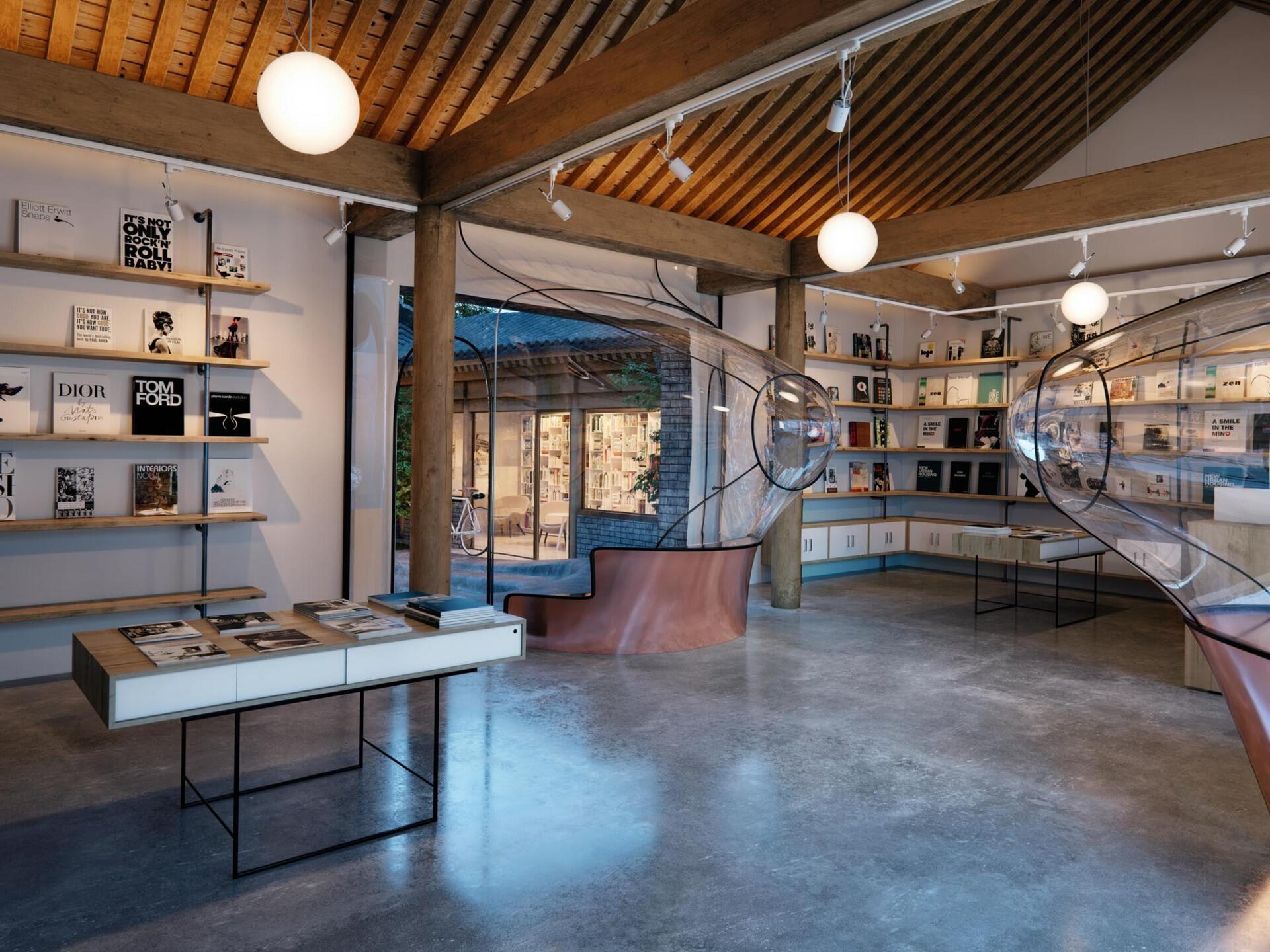
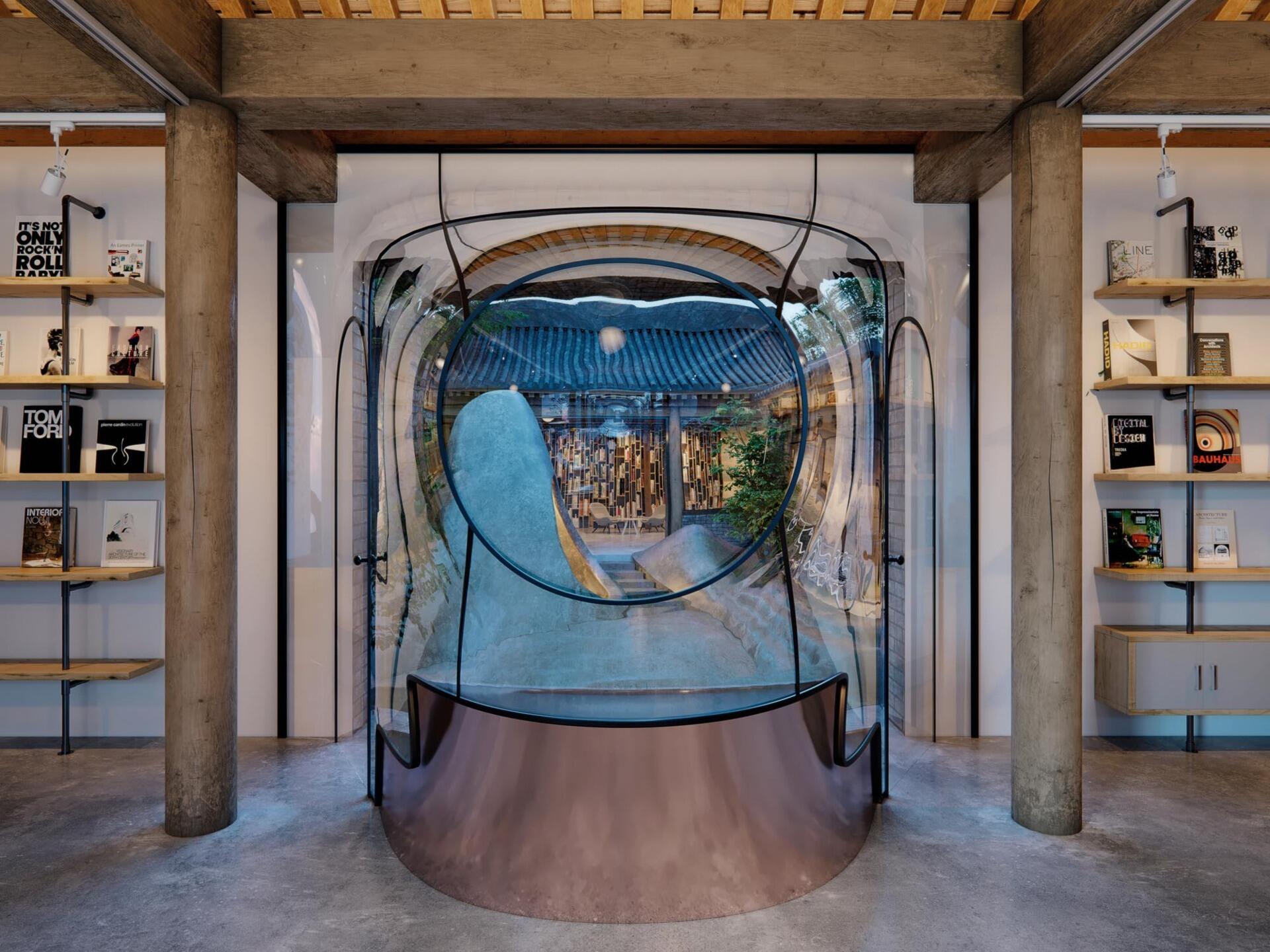
Inside the retail space, the glass skin shifts from an exterior envelope to a sculptural interior element. Here, it divides the space into a reception area and a reading area while framing carefully controlled views back toward the courtyards.
Rather than acting as a neutral partition, the glass becomes an optical device. It filters light, bends sightlines, and turns the act of looking outward into an experience that feels suspended between past and present. The ancient courtyard life beyond the glass appears neither fully real nor entirely abstract, existing somewhere in between.
By refusing to touch the historic fabric and choosing instead to work around it, Daipu Architects have offered a different vision for urban renewal in ancient cities. This hutong does not rely on nostalgia or decorative imitation. Instead, it uses light, reflection, and reversibility to create new relationships between old spaces and contemporary life.
Design Architect: Daipu Architects | Director : Dai Pu | Design Team: Guo Lulu, Evelyn Jingjie Wong, Mohamed Hassan El-Gendy, Sooyeon Jeong, Yoomin Lee
Source: Contemporist